Student housing
Student accommodation fire safety in Harrow
Find out what a specialist checks in a student let near the Harrow campuses, from shared kitchen detection to wedged doors. Learn what to arrange before a new group moves in and how often reassessment is needed.
What to check before a new group of students moves in
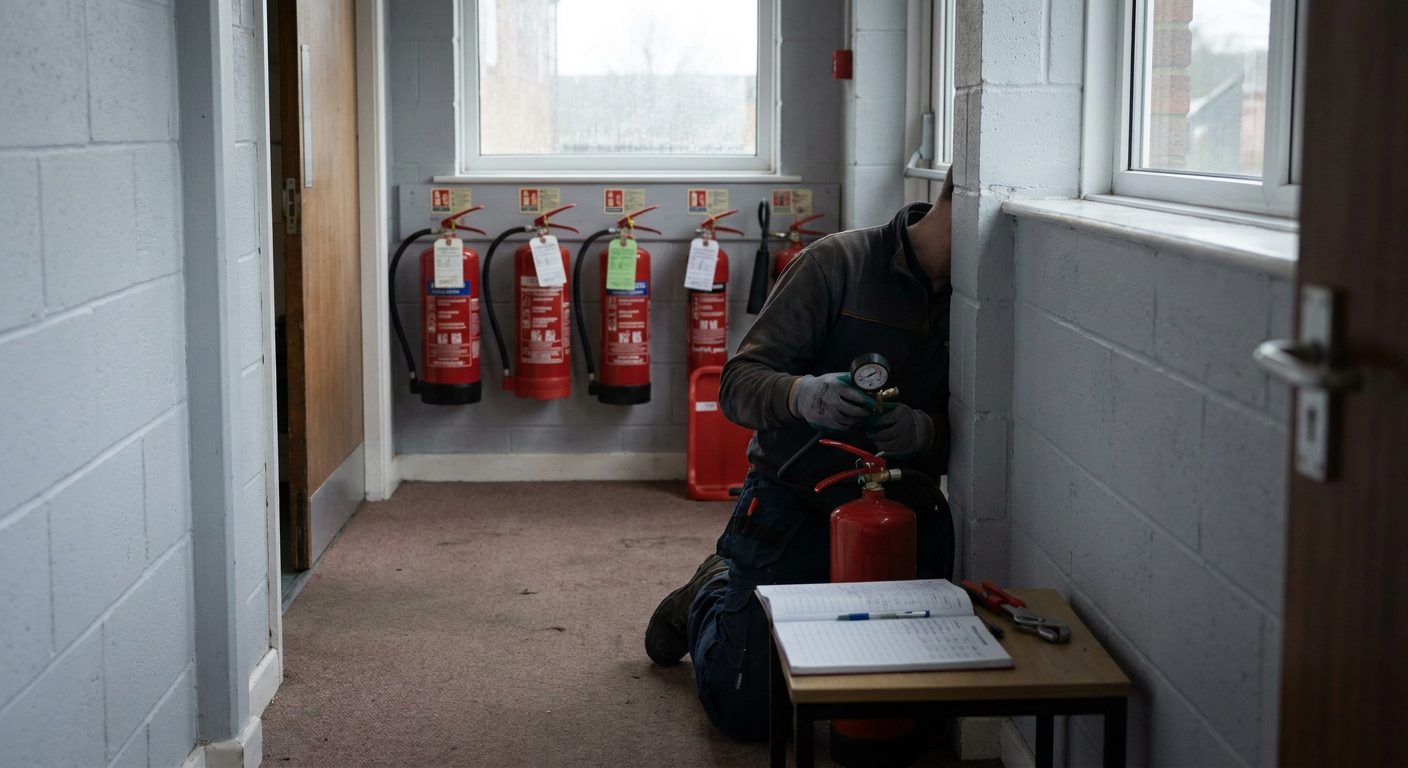
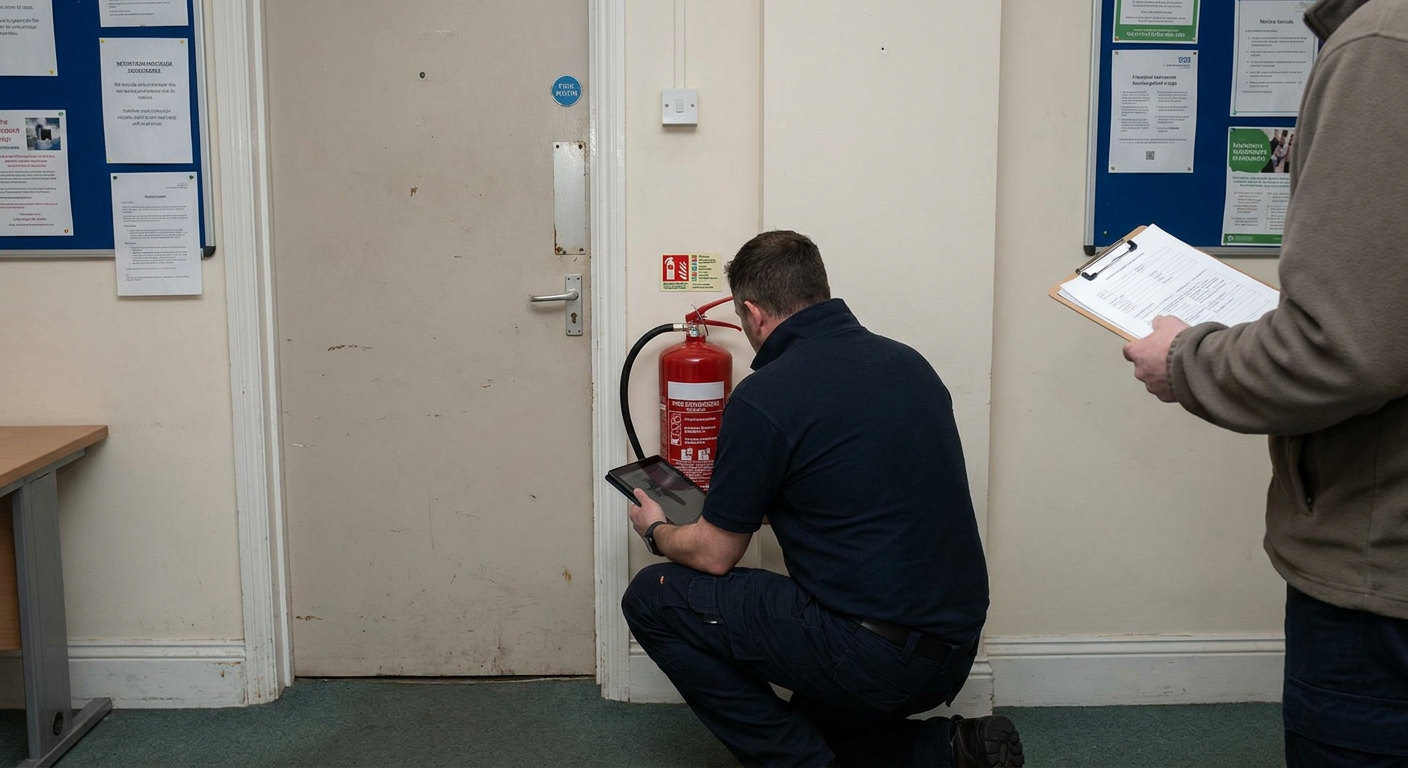
A change of tenancy in a shared house near the Harrow campuses is the right time for a specialist to look at the building again. Student let fire checks in Harrow typically cover escape routes, alarm coverage and the condition of any fire doors.
The assessor examines whether the previous tenants damaged or removed anything that matters in a fire. Door closers in a student house take heavy use, and a faulty one will be noted. The specialist also confirms that the detection system still matches the layout, since furniture and partitions may have shifted.
If the property is licensed as a house in multiple occupation, the responsible person has specific duties under the [Regulatory Reform (Fire Safety) Order 2005](/hmo-fire-risk-assessment-harrow). A fresh assessment before new occupants arrive gives a landlord a current record of those duties and any actions required. The visit can usually be arranged between tenancies so no one is disturbed, provided the building is accessible and the keys are available.
Shared kitchens and the right type of detector
Cooking causes more fires in student housing than any other activity, so the choice of detector in a shared kitchen matters. A smoke alarm will trigger repeatedly from burnt toast or steam, and tenants often disable it to stop the noise. That leaves the room unprotected.
A heat detector responds to a rise in temperature rather than particles in the air, making it the right choice for a room where cooking happens daily. Shared kitchen fire detection must still link to the rest of the system so that an alarm in the kitchen sounds throughout the building.
The grade of the detection system matters too. If the installed system is the wrong grade for a shared let, it may not provide enough coverage or reliability for the number of occupants. A specialist identifies the correct grade during an assessment and recommends any upgrades. This forms part of the wider [fire risk assessment](/fire-risk-assessment-harrow) for the home.
Wedged doors and keeping corridors clear
Students wedge doors open for convenience, especially the door between a shared kitchen and the hallway. In a fire, an open door lets smoke and heat spread into the escape route within seconds.
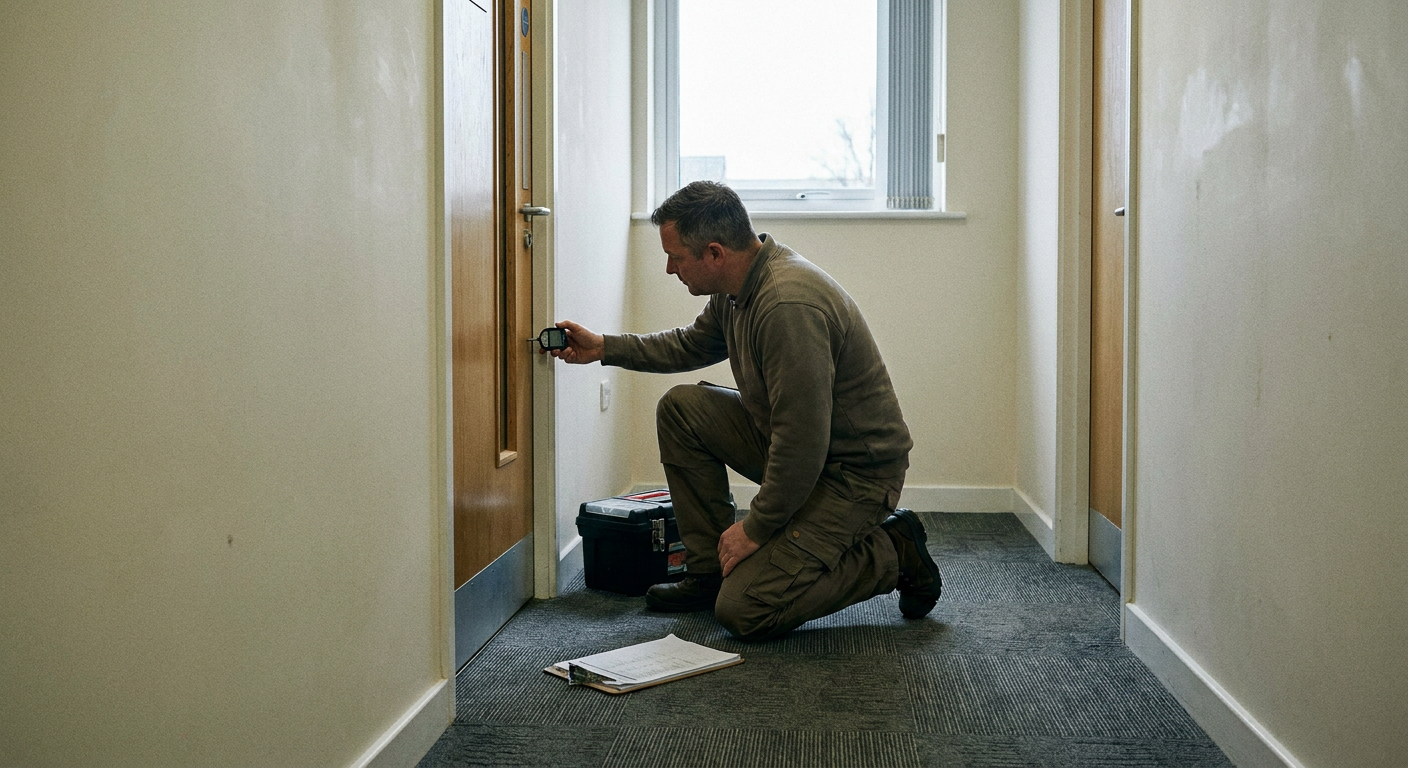
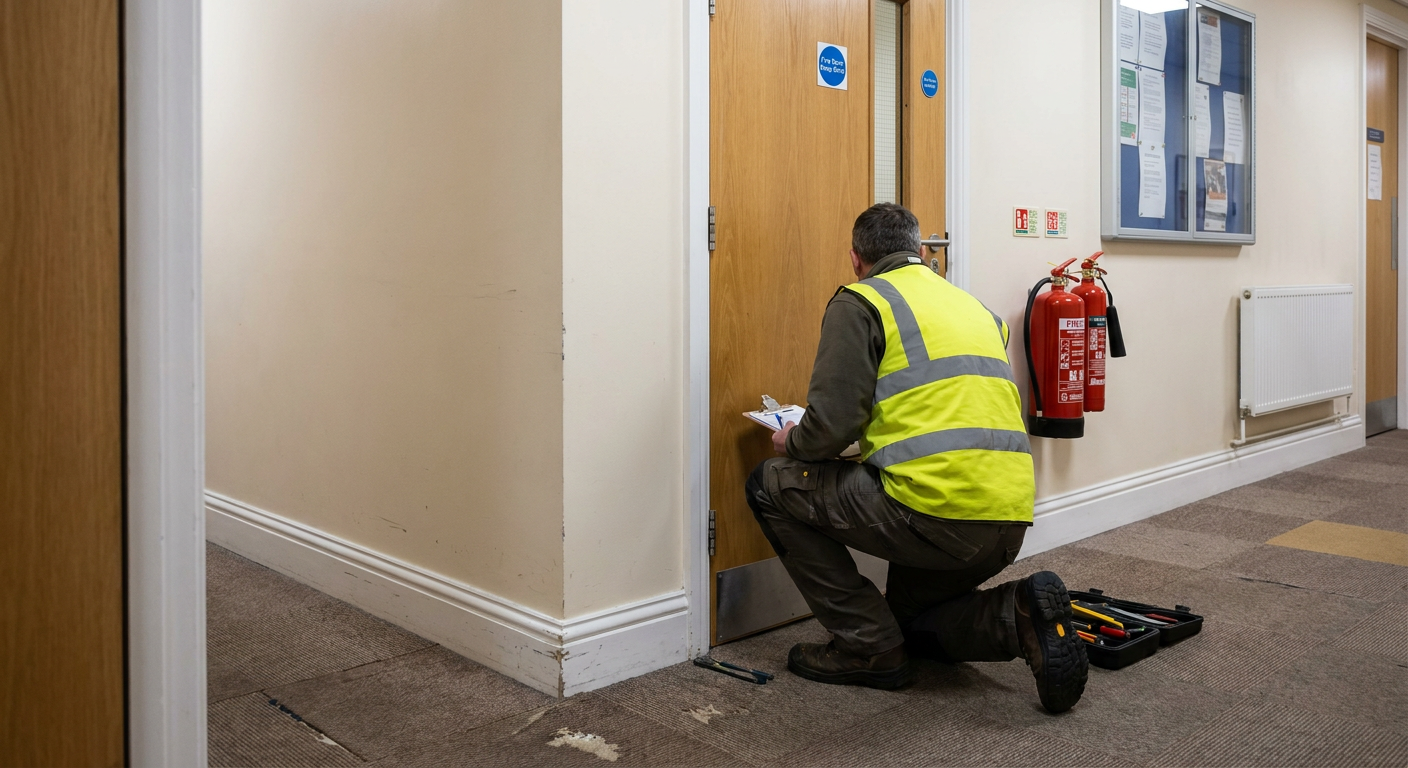
Fire safety student landlord duties include maintaining the compartmentation of the building. A wedged door defeats the purpose of a fire door entirely. The specialist checks whether self-closing devices work correctly and whether they are strong enough to pull the door shut against friction or a makeshift wedge.
Some landlords fit overhead closers with a hold-open device linked to the fire alarm. When the alarm sounds, the release drops the door shut automatically. This removes the temptation to prop it open while still keeping the escape route protected if a fire starts. A [fire door inspection](/fire-door-inspection-harrow) identifies which doors need attention and whether existing hardware is adequate for the way the building is used.
How often student accommodation needs reassessing
There is no fixed legal interval for reassessing a student property. The responsible person must keep the assessment up to date. For a shared house or hall near a campus, an annual review is common practice because the occupant turnover is high and wear on doors and alarms accelerates.
A reassessment is also needed after any significant change. That includes alterations to the layout, a switch in the type of tenants, or an incident such as a small fire or a false alarm that reveals a fault in the system. Waiting for a new tenancy to begin before checking the building risks leaving hazards in place for months.
The [guidance on review frequency](/guidance/how-often-review-assessment) explains when a full reassessment is necessary and when a lighter review will do. A halls fire assessment in Harrow follows the same principles as any other multi-occupied residential building, but the density of occupants and their unfamiliarity with the layout mean escape routes require particular attention.
Written instructions and proving you gave them
Handing over a set of keys without explaining what to do in a fire leaves both the tenant and the landlord exposed. Students arriving from different countries or institutions may not know how British alarm systems sound or where the assembly point is.
The responsible person should provide written fire instructions. These cover how to raise the alarm, the escape route from each bedroom, and where to gather outside. Recording that these instructions were given, for example by having the tenant sign a sheet or sending them by email, proves the duty was met.
This documentation sits alongside the [fire safety policy and procedures](/fire-safety-policy-and-procedures-harrow) for the building. If an enforcement officer visits, they will ask to see evidence that occupants received this information. A specialist can draft or review these documents to ensure they match the actual layout and alarm arrangement of the property.
Arranging the visit and understanding the cost
The cost of an assessment for a shared student house depends on the size of the building, the number of storeys, and the complexity of the alarm system. A three-bedroom terraced house near Northwick Park will cost less to assess than a converted block with twelve rooms and a commercial-grade panel.
Because the work is carried out by separate specialist firms, pricing varies. Sending an enquiry through Harrowfire allows a landlord to describe the property and receive details from a firm that covers the relevant area. The specialist will explain what the fee includes before any work begins.
Visits are straightforward to schedule between tenancies. The assessor needs access to every room, the loft space if there is one, and the electrical intake. Providing a floor plan in advance saves time. Once the report is issued, it sets out any actions required, graded by urgency, so the landlord knows exactly what to address before the next group arrives.
Signs your student let has a fire safety problem
Small issues in shared housing become serious quickly once a term starts. Spotting these signs early means a specialist can advise on what needs fixing before students move in.
- 1
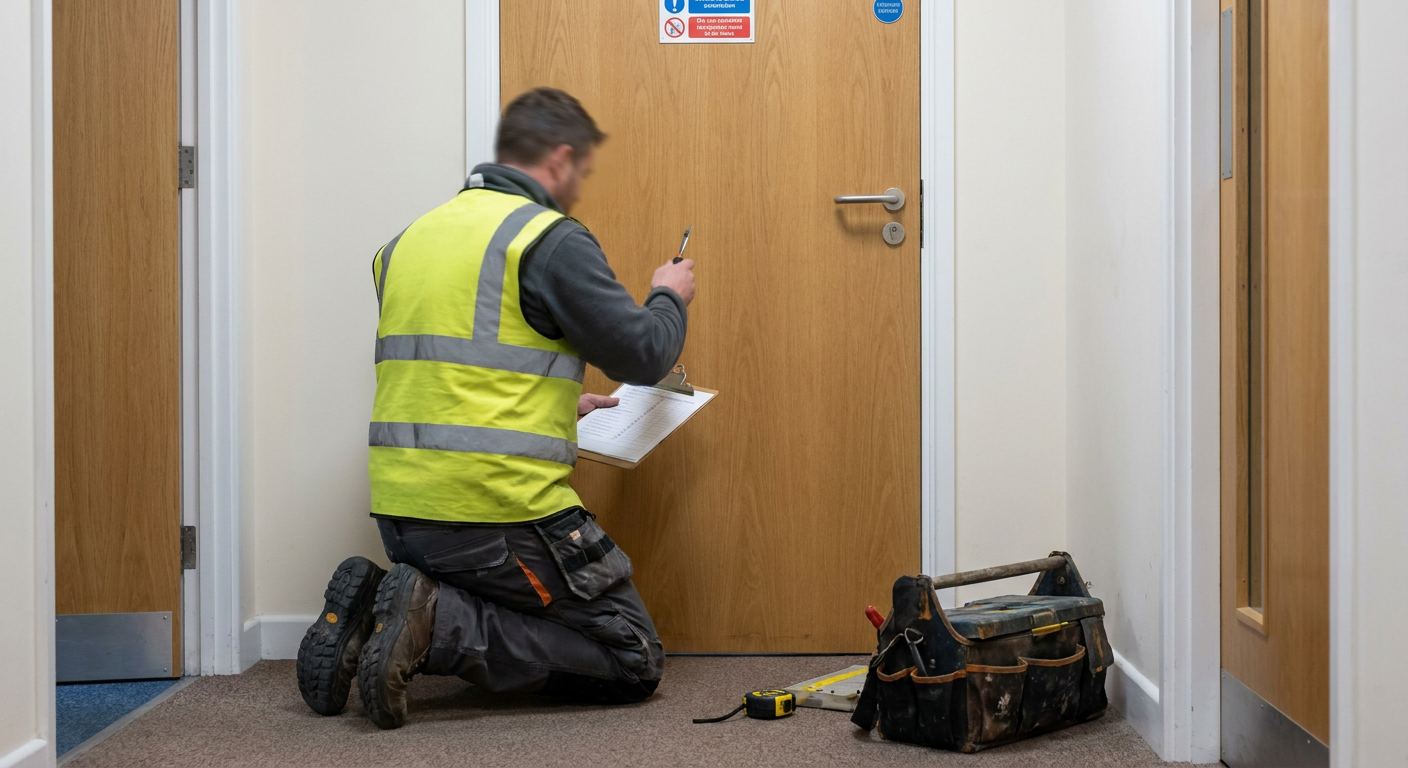
Doors propped open with objects
Wedges, bins or shoes holding doors open defeat the fire barrier. It suggests the closers are too stiff or missing entirely.
- 2
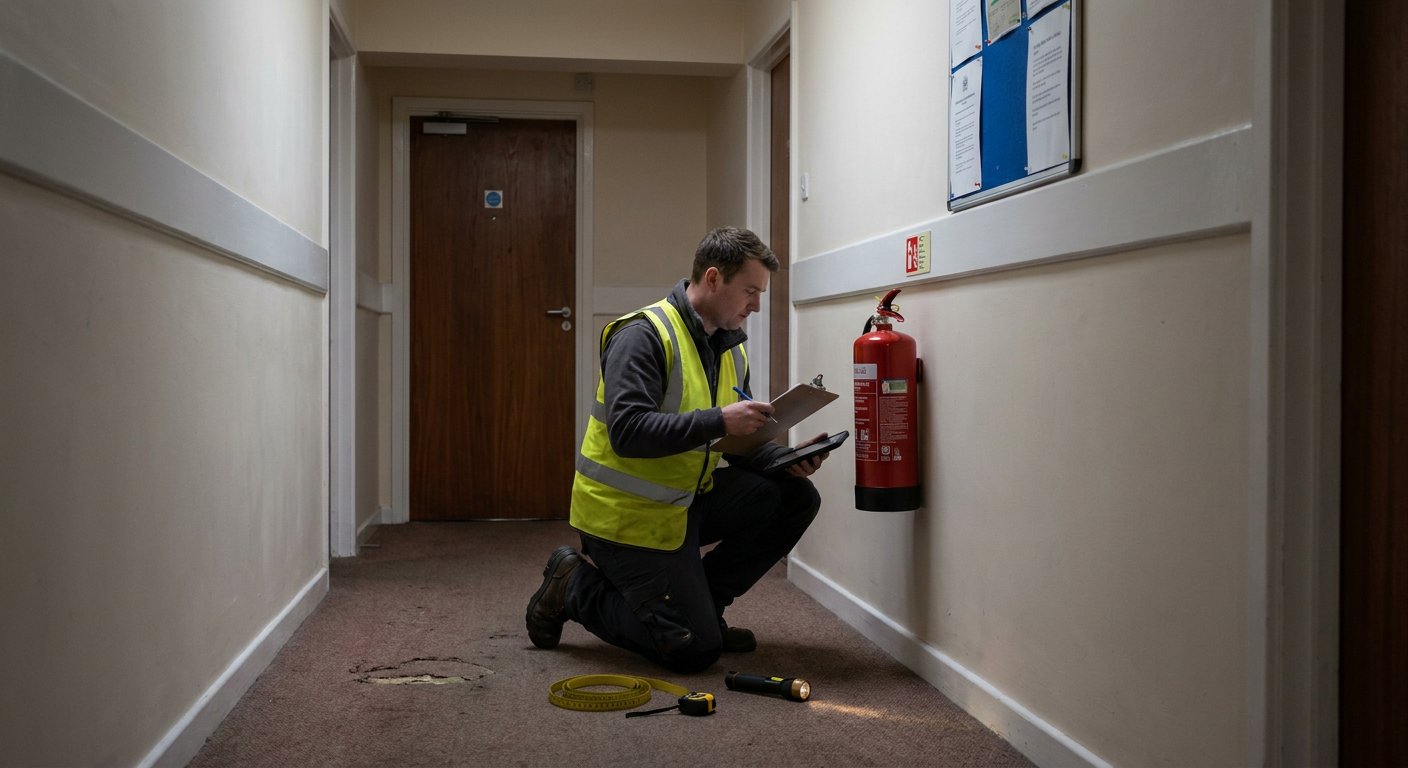
Alarm heads painted over
Layers of paint on detectors or call points show maintenance has slipped. They may fail to sense smoke or heat properly.
- 3
Scorch marks near sockets
Discolouration around plug points hints at overloaded circuits. Shared houses run many laptops and heaters at once.
- 4
Blocked corridor or stairwell
Bikes, boxes or furniture narrowing the escape route. Students often lack storage space so items end up in hallways.
- 5
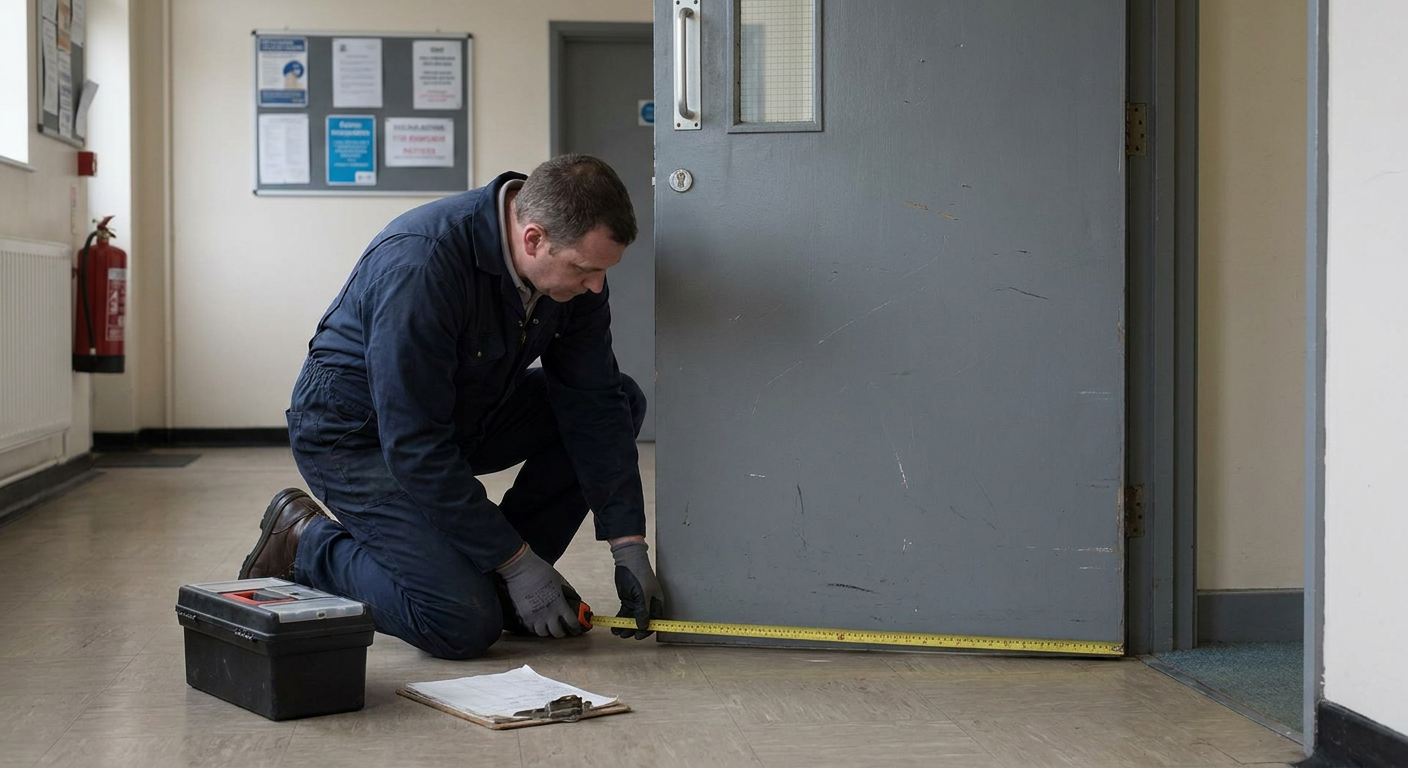
Missing or torn door seals
Gaps around the edges of a fire door let smoke through. Intumescent strips swell in heat but only if they are intact.
Services for student landlords
These are the areas a specialist firm can help with when managing fire risk in shared student housing around Harrow.
Fire Risk Assessment
Required for any shared student house or hall before tenants move in.
Fire Door Inspection
Checks closers, seals and hinges on doors that protect escape routes.
Compartmentation Survey
Finds hidden gaps in walls and floors between bedrooms and corridors.
Fire Evacuation Plans
Maps the escape routes students need to follow from each room.
Policy and Procedures
Written rules for managing fire risk across the tenancy period.
HMO Fire Risk Assessment
Specific duties for licensed houses in multiple occupation.
Ask about your student property in Harrow
Send details about the building and what you need checked. A specialist firm will respond with what they can do and what it involves. An enquiry does not commit you to booking.
- No obligation to proceed
- Local specialists reply
- Clear next steps