Fire safety guide
Fire Safety Regulations 2022
The 2022 Regulations place specific duties on responsible persons for blocks of flats. Find out what information residents must receive, how often doors need checking, and what the fire service expects from buildings in Harrow.
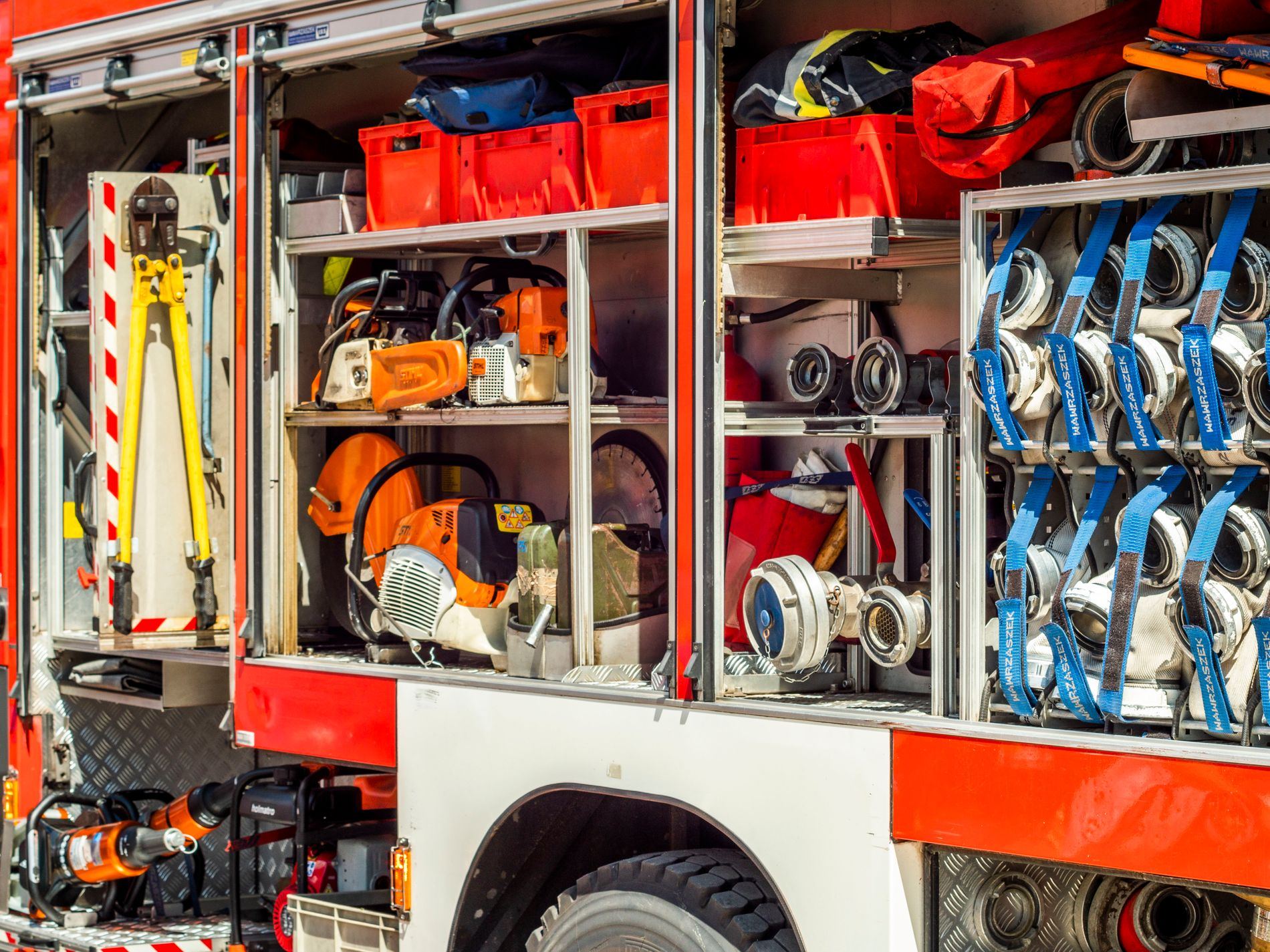
Fire Safety England Regulations 2022 explained for Harrow
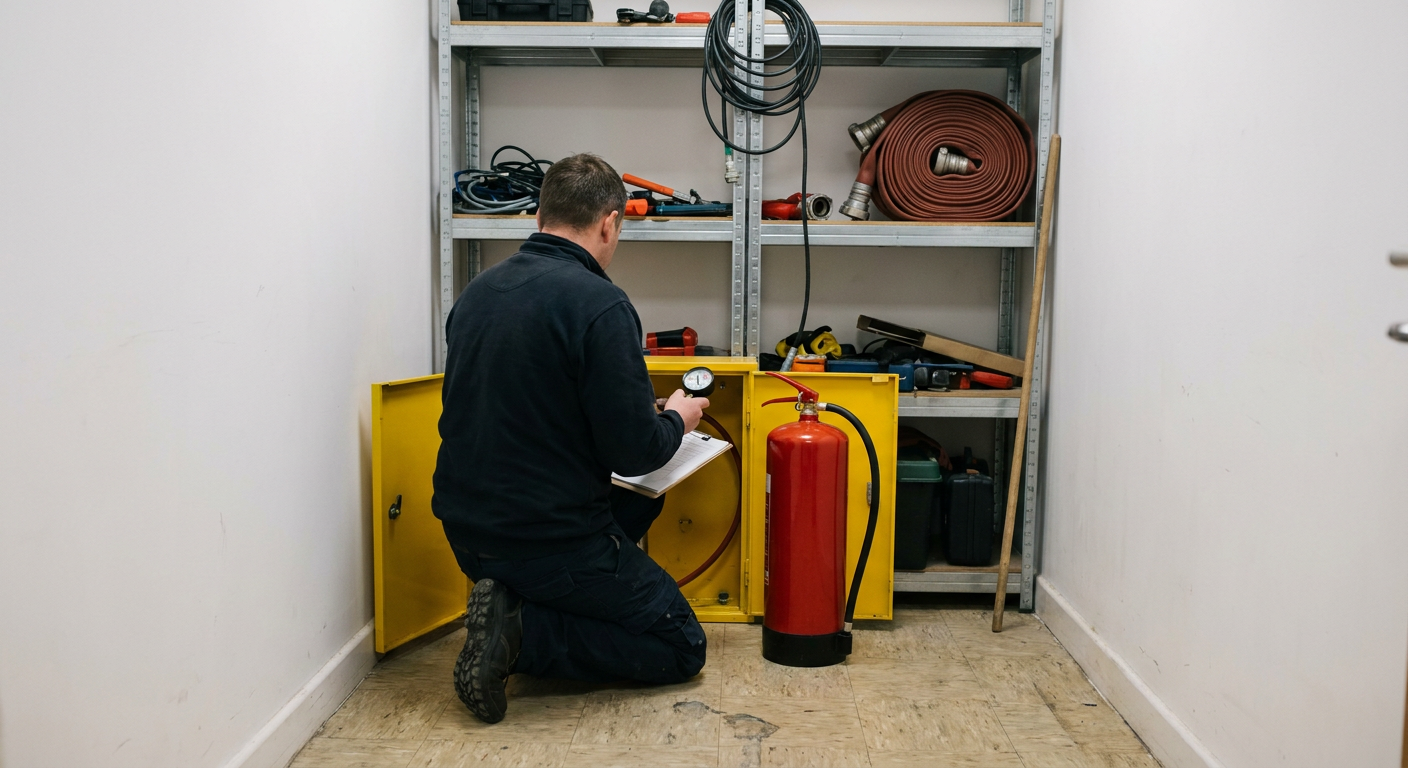
Which duties apply to a four-storey block in Harrow
The new fire regulations blocks of flats must follow depend heavily on height. A building in Harrow that stands at four storeys falls below the 11-metre threshold where the strictest rules begin. So the full high rise fire service information requirements do not apply.
But some duties still bind the responsible person. Every block containing two or more domestic premises must have a current fire risk assessment, and the findings must be acted upon. The resident fire safety information duty applies regardless of height. You must tell people how to report a fire, how to evacuate, and what the building's fire safety arrangements are.
Flat entrance door checks rules also apply to any building with multiple dwellings. If your block sits above shops, additional considerations arise. A specialist firm can carry out a [fire risk assessment](/fire-risk-assessment-harrow) to confirm exactly which parts of the 2022 Regulations affect your specific building.
What residents must be told and how often
Under the resident fire safety information duty, the responsible person must provide every household with clear instructions. This covers how to evacuate the building, how to report a fire, and details of the fire safety measures in place. You must give this information when someone moves in and repeat it at least once every twelve months.
If the building's fire safety arrangements change, you must issue updated guidance promptly. For example, if a [compartmentation survey](/compartmentation-survey-harrow) identifies hidden gaps that alter the escape strategy, residents need to know.
The information does not need to be lengthy. It must be accurate and easy to understand. Many managing agents in Harrow include it with tenancy documents or send it by letter. Keeping a dated copy of what was sent, and to whom, forms part of the evidence that the duty has been met. A specialist firm can advise on drafting these notices so they cover everything the Regulations require.
How often flat entrance and communal doors need checking
The flat entrance door checks rules set different schedules depending on building height. In blocks over 11 metres, the responsible person must arrange inspections of every flat entrance door at least once a year. Communal doors in those taller buildings must be checked every three months. The communal door inspection frequency is higher because these doors protect shared escape routes used by everyone.
For a four-storey block in Harrow, the 2022 Regulations do not mandate the same fixed schedule. But the overarching duty to maintain fire safety means doors should still be examined regularly. A damaged self-closer or a warped frame compromises compartmentation just as much in a low-rise building as in a tower.
A specialist firm carries out [fire door inspections](/fire-door-inspection-harrow) to identify faults such as missing intumescent strips, excessive gaps, or broken hinges. They record each defect and recommend remedial action. Following their report keeps the building compliant and protects the people living inside.
Information the fire service expects from taller blocks
The high rise fire service information requirements apply to residential buildings over 18 metres, or roughly seven storeys. If your block in Harrow reaches that height, the responsible person must supply the local fire and rescue service with electronic floor plans. These plans show the layout of each level, including access points and firefighting equipment locations.
You must also provide details about the building's external wall system and keep a secure information box on site containing hard copies of these documents. Wayfinding signage is another requirement for taller blocks: floor numbers and flat indicators help firefighters move quickly through smoke-filled corridors.
A four-storey building does not trigger these specific obligations. But the fire service still needs access to basic fire safety information during an incident. A specialist firm can review your [fire evacuation plans](/fire-evacuation-plans-harrow) to ensure they meet the expectations of London Fire Brigade crews attending incidents in Harrow.
When a leaseholder refuses a door inspection
The flat entrance door checks rules require the responsible person to use best endeavours to inspect every relevant door. Leaseholders sometimes refuse entry, perhaps because they are away, distrustful, or unaware of the legal position. The Regulations recognise this difficulty but do not remove the obligation.
You must make repeated attempts to gain access. Write to the leaseholder explaining why the inspection matters for the safety of the entire building. Keep copies of every letter, email, and note of phone calls. If refusal continues, you may need to seek legal advice or involve the local authority.
Documenting your efforts is essential. If a fire occurs and an uninspected door fails, investigators will ask what steps were taken to comply. A specialist firm conducting [fire door inspections](/fire-door-inspection-harrow) can provide written records of scheduled visits and denied access, forming part of your evidence trail. This protects the responsible person from claims of negligence.
Managing agents and keeping evidence of compliance
A managing agent can carry out these duties on behalf of the responsible person. The legal responsibility remains with the freeholder or whoever controls the building, but day-to-day tasks such as issuing resident notices or arranging door checks are routinely delegated. Many blocks across Harrow operate this way.
Whatever the arrangement, evidence must exist. Keep dated copies of all resident communications, inspection reports, maintenance records, and correspondence with leaseholders who refused access. If the fire service or the local authority asks to see proof of compliance, you need to produce it without delay.
A specialist firm can help build this paper trail. They might conduct a [fire risk assessment](/fire-risk-assessment-harrow), test extinguishers, or deliver [fire safety awareness training](/fire-safety-awareness-training-harrow) to staff. Each visit generates documentation. Storing these records together demonstrates that the responsible person understands the 2022 Regulations and acts on them consistently. Regular reviews ensure nothing lapses between assessments.
How Harrow blocks handle the 2022 duties
Blocks manage these obligations differently depending on size, layout, and who handles the daily work.
Resident notices
- Owner-managed block
- The owner drafts and distributes information directly to each household.
- Agent-managed block
- The agent issues notices using established templates and distribution lists.
Door inspections
- Owner-managed block
- The owner arranges access and accompanies the specialist firm on visits.
- Agent-managed block
- The agent coordinates scheduling, chases leaseholders, and logs refusals.
Record keeping
- Owner-managed block
- Files are stored by the owner, often in physical folders at home.
- Agent-managed block
- Records sit within the agent's management system alongside other documents.
Fire service liaison
- Owner-managed block
- The owner contacts the brigade directly if high-rise duties apply.
- Agent-managed block
- The agent handles correspondence with the fire service as part of the contract.
A specialist firm advises which approach suits after reviewing the building.
Ask about your block's 2022 duties
Send details about your building in Harrow. The enquiry goes to a specialist firm who can assess what the Regulations require. Submitting this form does not commit you to any work or cost.
- No obligation to proceed
- Local firms respond
- Details stay private