HMO guidance
HMO fire risk assessment in Harrow for landlords
A specialist checks inside bedsits and shared lets across Harrow, handles licence conditions on doors and detection, and produces the report needed before applying or renewing.
Legal requirement for licensed HMOs in Harrow
Does my licensed HMO in Harrow need a fire risk assessment by law? Yes. The Regulatory Reform (Fire Safety) Order 2005 requires the responsible person to hold a suitable and sufficient assessment of any shared house with common parts. For licensed properties, Harrow Council also expects this document as part of the application.
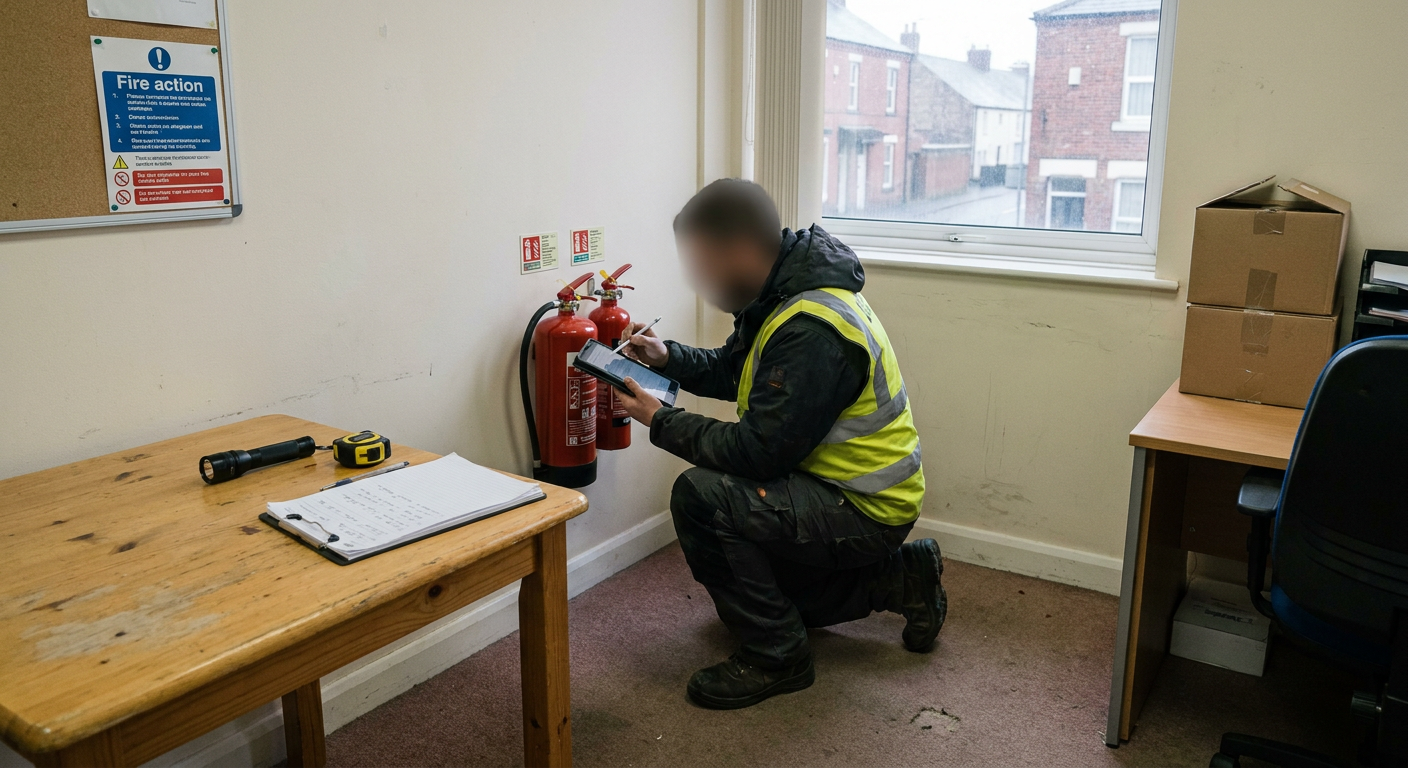
A shared house fire assessment in Harrow covers hallways, staircases, kitchens used by multiple households and the rooms themselves. The specialist firm examines escape routes, how quickly smoke could spread, and whether tenants can reach a place of safety without passing through a fire.
The responsible person is usually the landlord or managing agent. Their duties include acting on the findings and keeping the record available for inspection. More detail on who holds that responsibility is set out separately.
What gets checked in bedsits with locked doors
What will the assessor check in bedsits with locks on each room door? Every individual room matters because a fire starting behind a closed door must be contained long enough for everyone else to leave. The specialist looks at the door leaf, frame, hinges, gaps around the edges and the lock itself. Thumb-turn locks are expected so occupants can get out without searching for a key. Self-closing devices must shut the door fully every time. A <a href="/fire-door-inspection-harrow">fire door inspection</a> records any faults found across the house. Beyond the doors, the specialist inspects the walls and ceilings separating each room from the hallway. Any holes left by old pipes or cables compromise containment. A <a href="/compartmentation-survey-harrow">compartmentation survey</a> identifies those hidden gaps and records where fire-stopping material needs reinstating.
Detection grades and interlinked alarms
Will I be told to fit FD30 doors and interlinked detection throughout? That depends on the layout and the number of storeys, but most HMO licence fire requirements in Harrow point toward a high standard of protection.
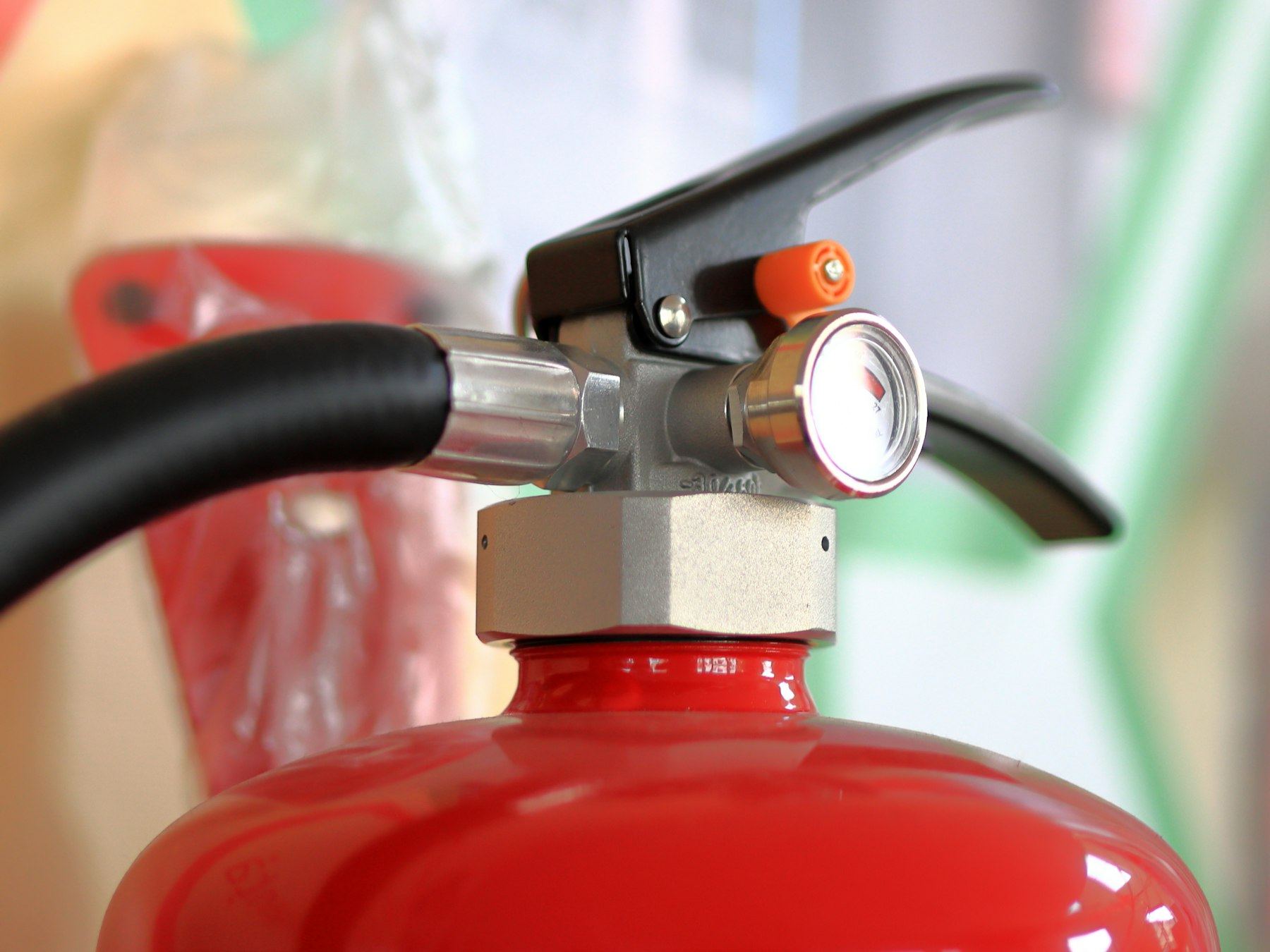
The fire detection grade HMO properties need is typically LD2 under BS 5839-6. This means heat detectors in kitchens, smoke detectors in hallways and escape routes, and often smoke alarms inside each bedroom too. Interlinking ensures that when one device activates, every alarm sounds.
The specialist firm reviews existing wiring, battery backups and detector positions. They note where new units are needed and where current ones have passed their service life. The resulting report gives clear actions rather than vague advice, so the work can be priced accurately.
Costs, access and turnaround times
How much does an HMO fire risk assessment cost for a six bed house? Pricing varies with size, complexity and travel within Harrow. Landlords asking about the landlord fire risk report cost should expect the fee to reflect the number of rooms, storeys and shared facilities involved. Requesting a quote directly provides a figure for the specific property.
Do tenants need to be in when the assessor visits? No. Access to the common parts and a sample of rooms is usually enough, provided keys are available. Individual tenants do not have to remain at home during the visit.
How quickly can the report be ready for my licence application? Turnaround depends on the specialist firm's workload, but many deliver the written document within days of the site visit. Mentioning a pending deadline when making the enquiry helps schedule the appointment sooner.
Council schedules and review frequency
What if the council has already served me with a schedule of works? Bring it to the appointment. The specialist uses the enforcement notice to focus the inspection on exactly what Harrow Council requires, avoiding duplicate effort and ensuring the final report addresses each listed item.
How often does the assessment need redoing once tenants change? The document should be reviewed whenever something alters the risk. New tenants moving in, changes to the layout, different furniture or updated electrical installations all count. Guidance on review intervals explains when a full reassessment becomes necessary rather than a simple update.
Properties near Edgware, Northolt or Stanmore follow the same standards. Local knowledge matters because building styles vary across the borough, affecting how fire spreads through older conversions compared to newer builds.
Signs to look for in a shared house
The same symptom can stem from different causes. What you see tells you where to look next, but a specialist visit confirms what actually needs doing.
- Gaps around bedroom doors letting light through
- Smoke will pass freely. A specialist measures the perimeter gaps to confirm whether new seals or a replacement door is required.
- Alarms sounding only in one part of the house
- Detectors that sound independently may leave sleeping occupants unaware of a fire starting elsewhere. A specialist checks whether the installed system meets the detection grade expected for shared accommodation and notes any gaps.
- Missing ceiling tiles above a hallway
- Gaps above doors or around pipes can let smoke and heat bypass the intended barrier between rooms. An inspection reveals whether hidden voids compromise compartmentation and what work would restore it.
- Self-closers slamming doors or failing to latch
- Incorrect adjustment or worn springs. The specialist tests closing force against the threshold needed to hold back smoke.
Services for shared housing in Harrow
Most enquiries about an hmo fire risk assessment harrow come from landlords and managing agents running licensed shared houses. The specialist firm examines escape routes, doors and detection to confirm the building meets HMO licence fire requirements before Harrow council renews it.
-
Fire Risk Assessment
The assessor walks every floor of the shared house, checking ignition sources, escape routes and management arrangements. This is the right step when applying for a new licence or when tenants change and the existing report needs updating.
-
Fire Door Inspection
Every door protecting bedrooms and corridors is checked for its rating, intumescent seals and hardware condition. Bedsit fire doors rules mean locks must release in an emergency, so the specialist tests each one where rooms are individually secured.
-
Compartmentation Survey
A compartmentation survey locates missing fire-stopping in walls, floors and ceilings that separate individual rooms from common areas. It is needed when the council has served a schedule of works or when older conversions lack hidden barriers.
Request your HMO assessment
Send the details of the shared house. The enquiry goes to a specialist firm who handles the visit and report. Nothing is booked until you agree terms directly with them.
- No obligation to proceed
- Local Harrow coverage
- Clear written reports