Local guidance
Do I need a fire risk assessment for my building?
Find out when a fire risk assessment is required, what the law expects from building owners in Harrow, and how to get advice before arranging a visit. Clear answers replace guesswork.
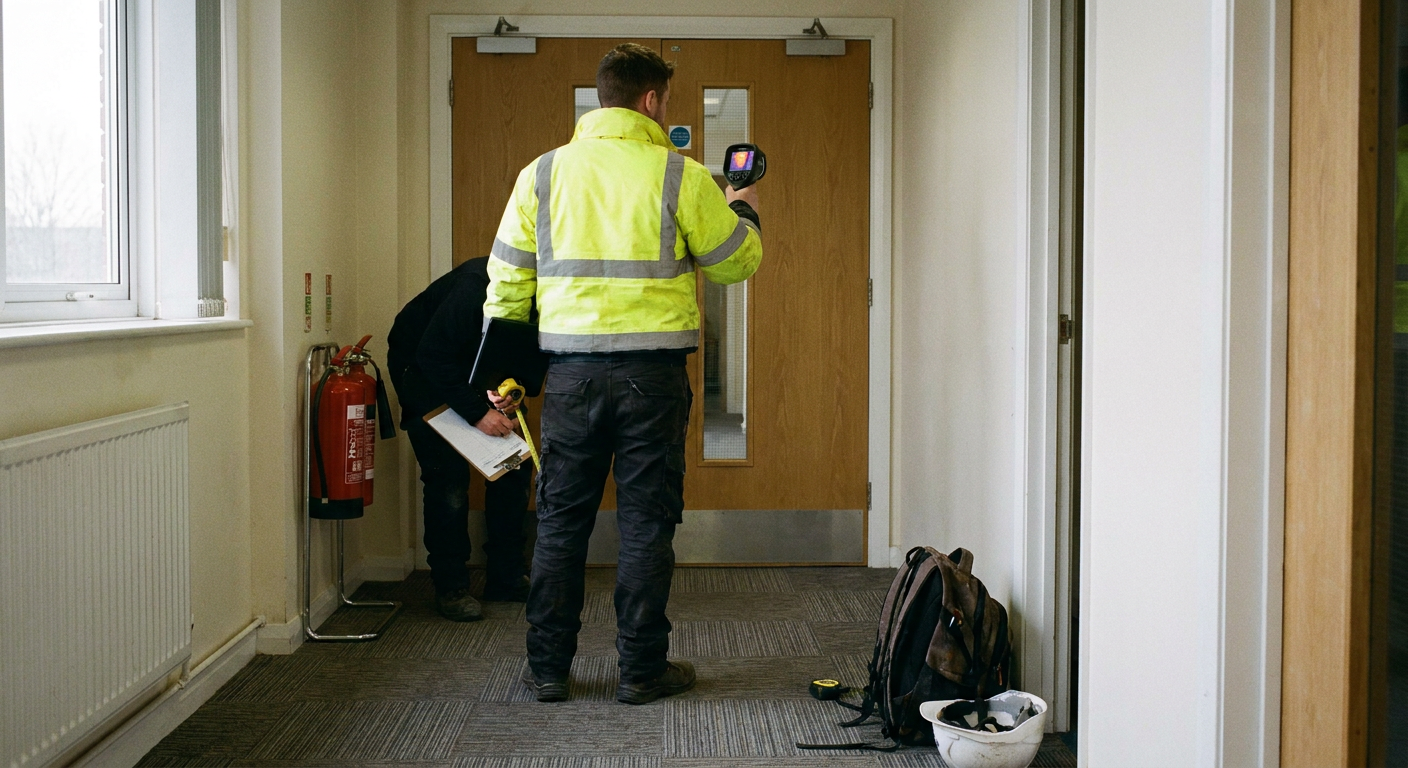
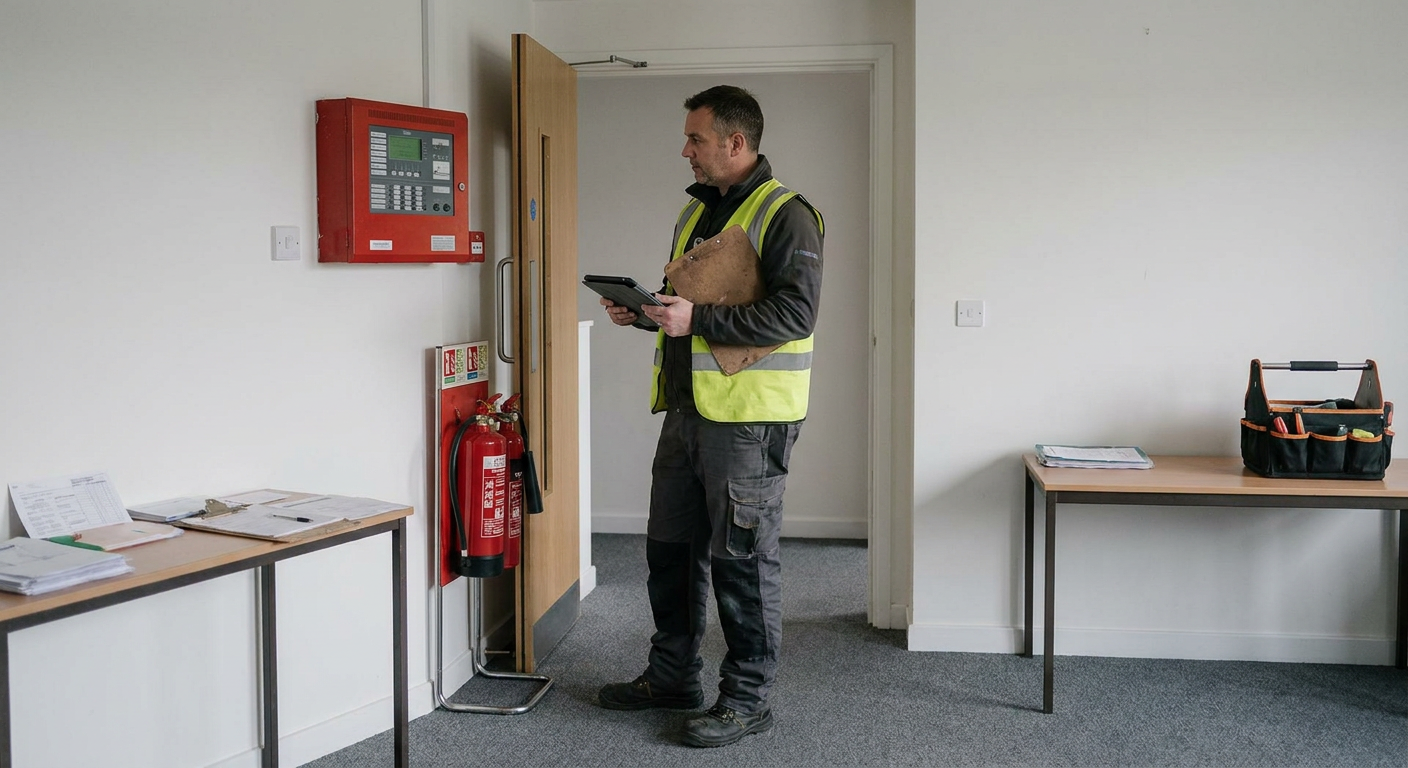
When a fire risk assessment is required by law
A fire risk assessment legal duty UK law places on the responsible person applies to almost every building that is not a single private home. If you run a business, manage a block of flats or rent out rooms, fire safety rules small business Harrow councils enforce start with this document. The question of when is fire assessment required comes up constantly. The answer depends on use rather than size. A shop, an office above a parade, a converted house split into flats: each needs one.
People often ask whether landlords need fire assessment paperwork for a single buy-to-let. If the property is let as one home to one household, the duty falls differently than it does for a house in multiple occupation. For HMOs, the requirement is explicit. A specialist firm can carry out an [HMO fire risk assessment](/hmo-fire-risk-assessment-harrow) to identify shared risks in hallways, kitchens and escape routes across Harrow.
If you are unsure where your building stands, reading about [responsible person duties](/guidance/responsible-person-duties-harrow) clarifies who holds the obligation. That person must ensure the work happens, even if they hire someone else to do it.
Flats, conversions and small offices
I own one flat in a converted house, do I need my own fire risk assessment? This question reaches us frequently. The individual flat interior usually sits outside the scope, but the common parts, the hallway, the stairs, the front doors, require assessment. The freeholder or managing agent typically holds that responsibility. Where flats sit above shops, the arrangement gets more complex. Guidance on [flats above shops](/guidance/flats-above-shops-harrow) explains how commercial and residential risks overlap in buildings along Harrow high streets.
Does a small office with four staff really need a written assessment? Yes. The number of employees does not remove the obligation. Fire risk management covers any workplace. A small room still has ignition sources, fuel loads and people who need a way out. A specialist firm conducts a [fire risk assessment](/fire-risk-assessment-harrow) that records these factors and sets out actions proportionate to the space. The report does not have to be long, but it must exist and it must be accurate.
Knowing when an existing report is out of date
How do I know if my existing assessment is out of date? A report loses validity when the building changes. New walls, different occupancy, altered escape routes or updated legislation all trigger a review. There is no fixed expiry printed on the document. Instead, the responsible person must keep it current. Advice on [how often to review an assessment](/guidance/how-often-review-assessment) sets out the events that demand a fresh look.
The Fire Safety (England) Regulations 2022 added specific requirements for blocks of flats over eleven metres. Building owners now face extra duties regarding [fire door checks](/guidance/fire-door-check-frequency-harrow) and information provision to residents. An older report will not cover these points. A specialist firm reviews the existing document against current standards and advises whether a full reassessment or a targeted update makes sense. Keeping the record current prevents problems during inspections and protects the people inside the building.
What happens if the council inspects
What happens if the council or fire service inspects and I have nothing in place? Enforcement officers in Harrow can enter premises to check compliance. If no assessment exists, or the one produced is inadequate, the responsible person faces enforcement action. This begins with notices requiring improvements within a set period. Ignoring those notices leads to prosecution.
A [fire safety enforcement notice](/guidance/fire-safety-enforcement-notice) details exactly what went wrong and what must change. The process is stressful and expensive to resolve under pressure. Arranging proper fire risk management before an inspection avoids this entirely. A specialist firm produces documentation that satisfies regulatory scrutiny because it follows recognised methodology. They examine means of escape, fire detection, emergency lighting and compartmentation. If gaps appear between units, a [compartmentation survey](/compartmentation-survey-harrow) identifies them so a contractor can seal the voids. Having the correct paperwork ready turns an inspection into a formality rather than a crisis.
Asking questions before committing to a visit
Is there a charge for asking a question before I commit to a visit? No. Seeking advice on fire safety obligations should not cost money at the enquiry stage. You can describe the building, explain your concerns and find out what type of survey applies without paying a fee or booking a date.
Who contacts me after I send an enquiry and how quickly? Once you submit details through the site, a specialist firm covering Harrow receives them. They respond directly to discuss the building and agree on next steps. The response typically arrives within one working day.
Can I just do the assessment myself or does it need a specialist? The law allows the responsible person to complete it, provided they are competent. Competence means understanding fire behaviour, building construction and human behaviour during emergencies. Most building owners lack this background. Hiring a specialist firm ensures the work meets the standard expected by enforcing authorities. Find out more about [how the process works](/instructing/the-process-harrow) before deciding.
Doing it yourself or hiring a specialist
The law requires competence, not necessarily a hired firm. Understanding the difference helps you decide.
A specialist advises which approach suits after reviewing the building type and its current use.
Knowledge required
- Self-assessment
- Understanding of fire dynamics, building regs and escape planning.
- Specialist firm
- Provided by the assessor; you supply access and information.
Time commitment
- Self-assessment
- Days of reading, inspecting and writing the report yourself.
- Specialist firm
- A site visit followed by delivery of a completed document.
Regulatory acceptance
- Self-assessment
- Accepted only if you can prove genuine competence.
- Specialist firm
- Standard reports follow recognised industry methodology.
Scope of inspection
- Self-assessment
- Limited to what you know to look for in your building.
- Specialist firm
- Covers hidden voids, door seals and structural fire stopping.
Get advice for your building in Harrow
Send details about your home or workplace. A specialist firm reads the information and replies directly to discuss what is needed. Submitting an enquiry does not book a visit or commit you to a fee.
- No obligation to proceed
- Direct reply from a specialist
- Local knowledge of Harrow