Fire warden training
Fire warden training
Appointing wardens means giving staff clear duties during a drill or a real alarm. The specialist firm delivers the course at your premises, covering sweep routines and roll call. Send an enquiry to arrange a date.
- Delivered at your premises
- Covers drills and live alarms
- Tailored to your floor plan
Ask about a training date
Course content
What fire warden training covers in Harrow
Sweep routines
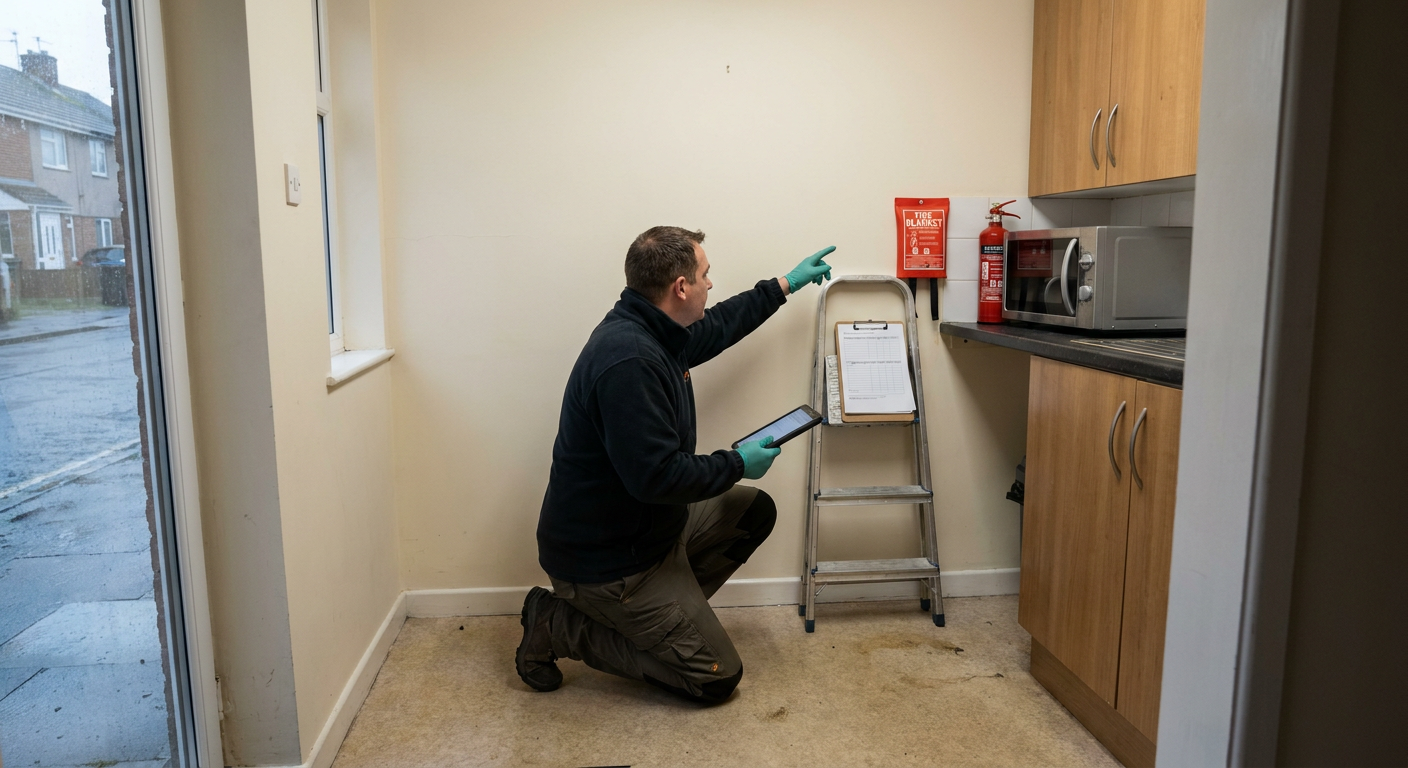
Wardens learn how to check every room on their assigned floor, moving quickly toward the exit while making sure nobody is left behind.
Roll call procedures
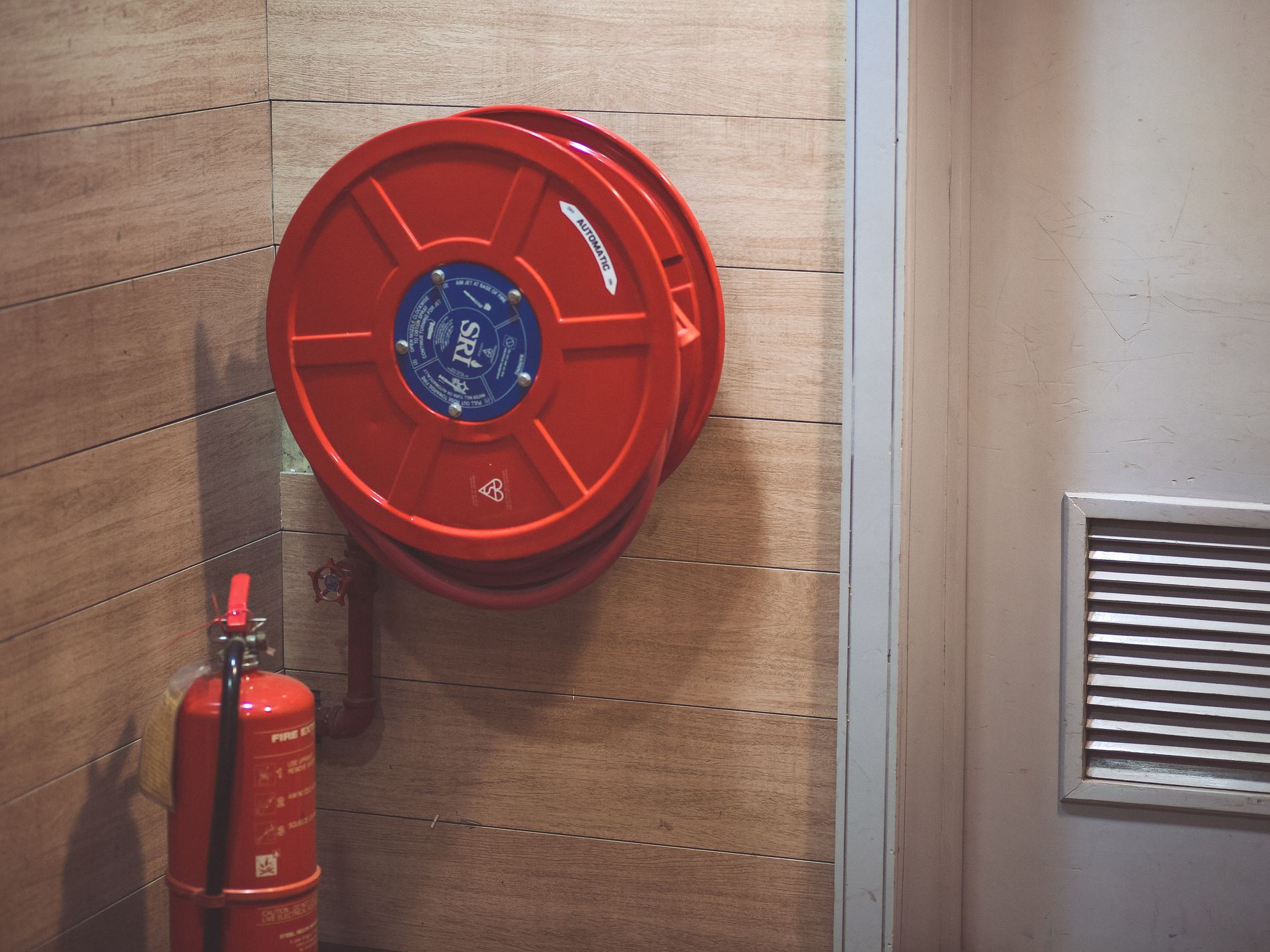
Once outside, the marshal accounts for everyone using a prepared list. The course shows how to manage visitors and absent staff accurately.
Using escape routes
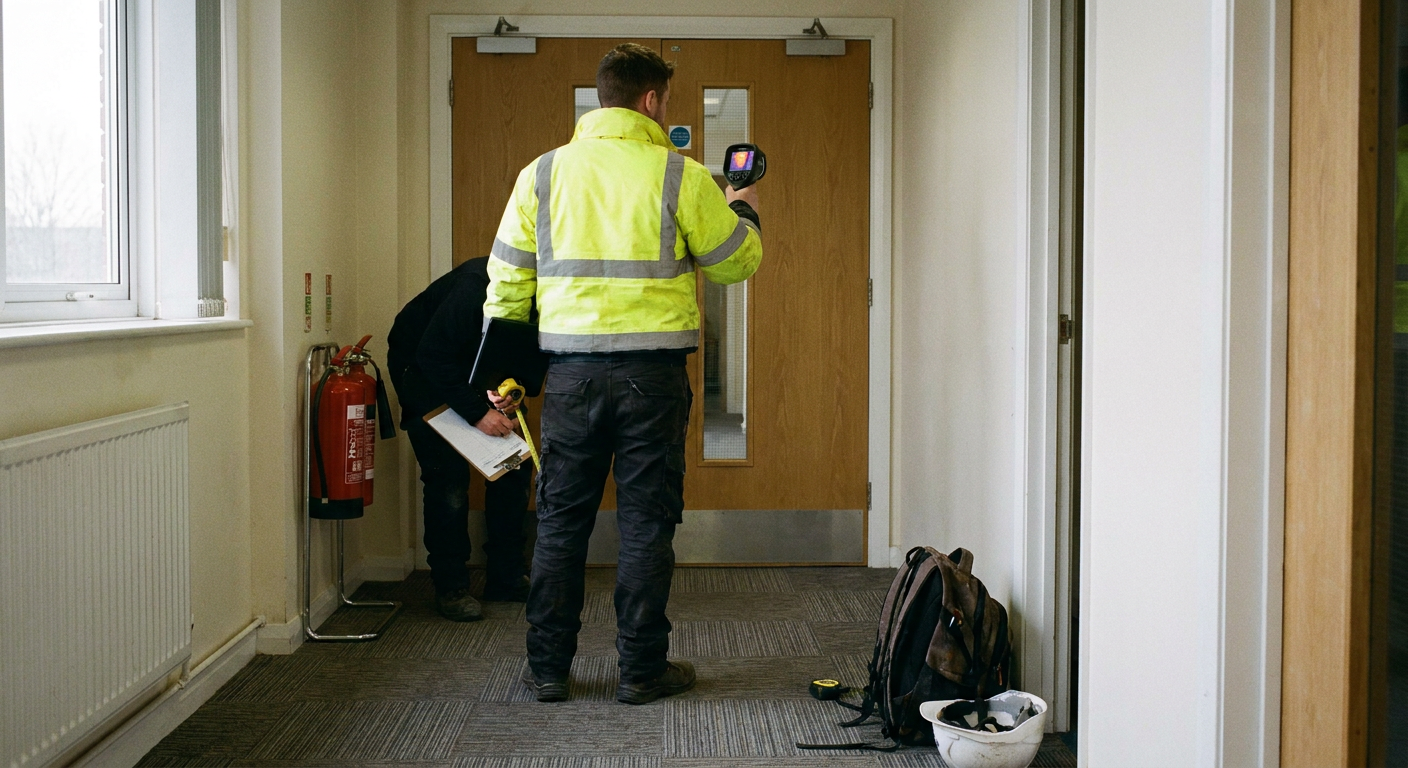
Training follows the paths set out in your fire evacuation plans, so wardens know which stairs and doors to direct people toward.
Raising the alarm
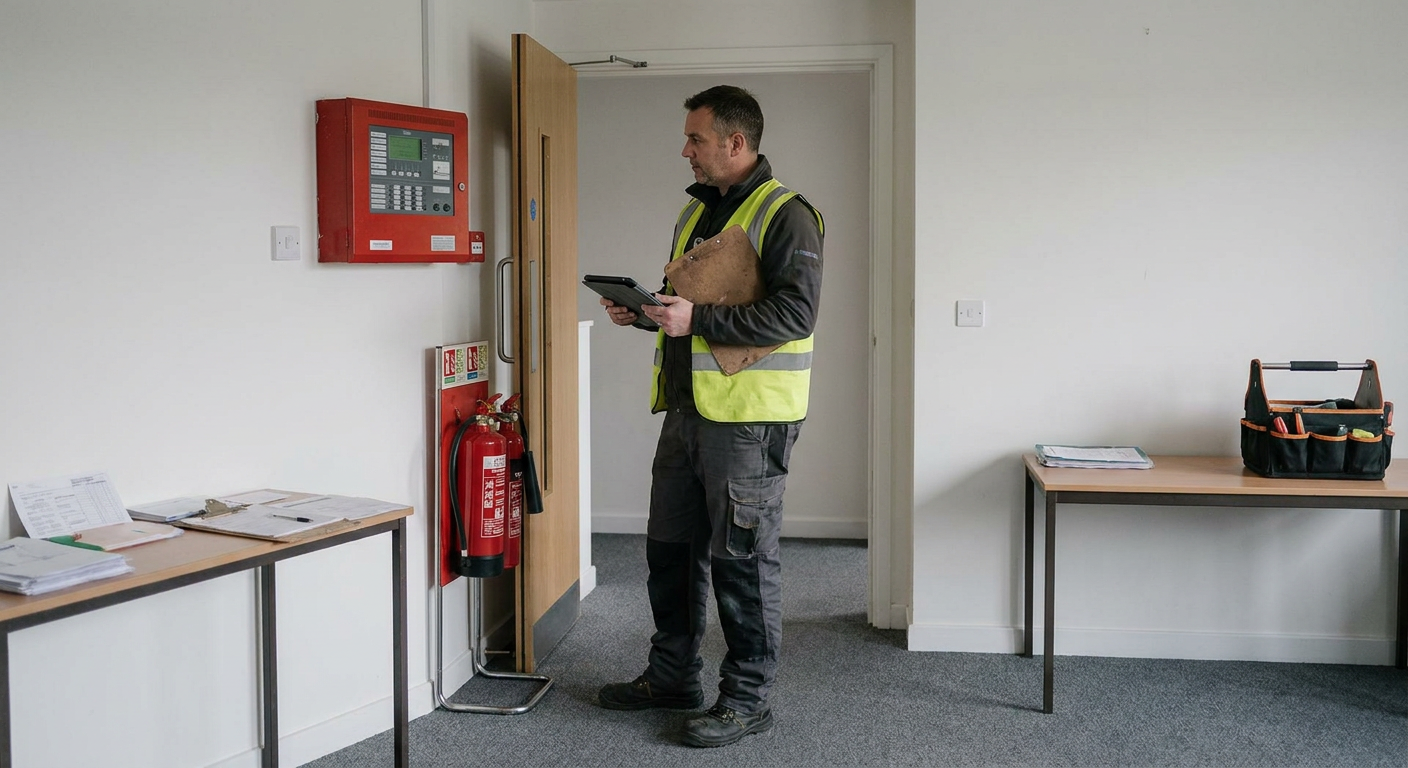
Wardens practice identifying the first sign of smoke or heat and triggering the system without delay, following written procedures.
Why employers appoint fire wardens
A building with no appointed marshals leaves evacuation to chance. Different layouts create different blind spots, and staff need someone who knows exactly where those are.
- No one takes charge during a drill
- Without a named warden, staff hesitate or follow the crowd. Appointing trained marshals gives the evacuation a clear structure from the start.
- Rooms get missed during a sweep
- Unfamiliarity with the floor plan causes gaps. A warden trained on the actual layout checks every space methodically before leaving.
- Roll call numbers do not add up
- Missing visitor logs or outdated lists cause confusion. Wardens learn to maintain accurate records so the count matches the building occupancy.
- Staff use the wrong exit
- People default to the door they entered through. Trained wardens direct them along the planned route to avoid bottlenecks and blocked corridors.
What shapes the training arrangement
Every workplace has a different layout, headcount and level of risk. The specialist firm adjusts the session length and content to match those conditions.
- Number of attendees
- More wardens require a longer session so each person can practice their specific sweep route and ask questions.
- Building complexity
- Multiple floors, basement levels or unusual layouts take more time to cover thoroughly during the practical walk-through.
- Existing documentation
- If current fire safety policy and procedures need reviewing alongside the training, the specialist allows extra time for that.
The specialist firm explains the full cost before any date is confirmed.
What you receive after the session
The training produces a record of who attended and what was covered, alongside practical knowledge the wardens carry back to their daily roles.
- Attendance record
- A signed list of every participant, kept as evidence that the employer provided the required instruction.
- Course summary
- Notes on the topics covered, including sweep routes, assembly points and alarm procedures specific to the building.
- Warden action cards
- Pocket-sized reminders for each marshal listing their floor, route and roll call duties during an alarm.
Questions about appointing wardens
Employers often wonder how many marshals they need and what happens if someone leaves. The answers depend on the building and the shift patterns.
- How many wardens are needed
- The number depends on floor area and occupancy. The specialist firm advises based on the layout and typical headcount.
- Covering absences and shifts
- If wardens work different hours or take leave, enough staff must be trained to ensure every shift has coverage.
- Refresher frequency
- Skills fade and buildings change. Regular sessions keep wardens familiar with updated routes and any new hazards.
The specialist firm answers these points when you enquire about a date.
Arrange fire warden training for your staff
Send an enquiry with your address and staff numbers. The specialist firm will reply with available dates and what the session involves.