Fire safety guide
When to update a fire risk assessment, and how often
Find out when to update a fire risk assessment for your home or building. Learn which changes, like a loft conversion or new tenants, mean the report needs another look by a specialist.

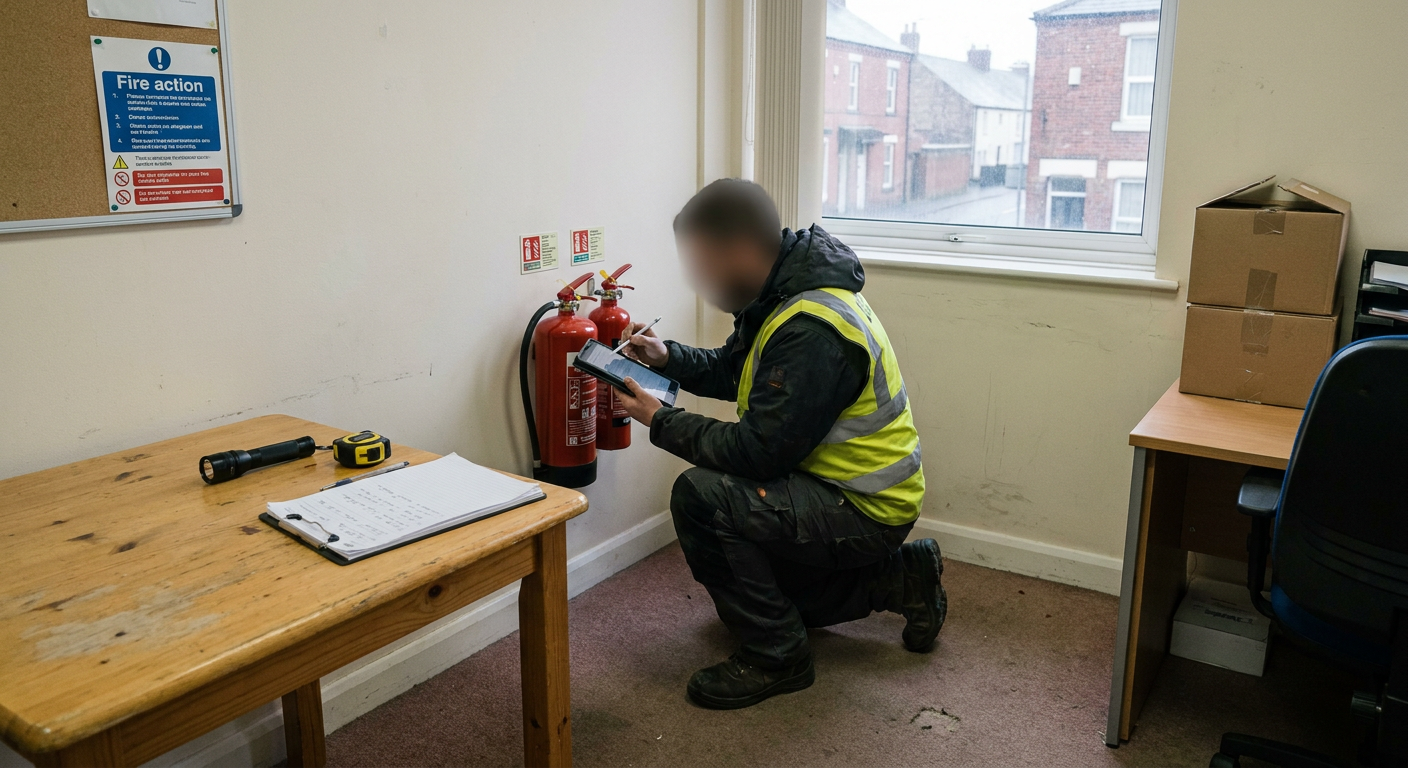
The standard review interval and what changes it
A fire risk assessment does not last forever. The responsible person must keep it current, but deciding when to update a fire risk assessment depends on the building and how it is used. For most blocks of flats in Harrow, the typical fire risk assessment review interval is one year. Low-rise buildings with few shared areas might stretch that, while high-occupancy homes need checking more often.
If your report is three years old, ask yourself whether anything has changed since it was written. New residents, altered escape routes or updated regulations all matter. The Fire Safety (England) Regulations 2022 placed extra duties on owners of multi-occupied residential buildings, so an older document may miss recent legal requirements. An annual fire safety review requirement is common practice because small changes accumulate quickly. A specialist firm can confirm whether the existing report still holds up or if a fresh assessment is needed.
Refurbishment, conversions and structural work
Building work changes how fire moves through a structure. The original assumptions about escape times and compartmentation no longer apply. A fire assessment after refurbishment is necessary because the layout the assessor relied on has physically changed. This applies across Harrow, from Victorian terraces undergoing extensions to purpose-built blocks having their lobbies reconfigured. Even replacing internal doors affects fire resistance. If you have just had a loft conversion, you likely need a new assessment rather than a simple review, because the scope of the building has shifted. The specialist firm carrying out the work checks the new layout against current standards. They may also recommend a [compartmentation survey](/compartmentation-survey-harrow) to verify that hidden gaps behind new plasterboard have been sealed properly. Structural changes demand a thorough look, not a quick glance at the old paperwork.
Change of use and new occupants
Changing how a space is used alters its fire risks entirely. This counts as a change of use and requires a new look at the fire risks. The previous assessment covered retail hazards; it did not account for hot oil, gas lines or staff working unsociable hours. New tenants in a commercial unit trigger a similar need for review. Different businesses store different materials and employ different numbers of people. In mixed-use buildings around [North Harrow](/areas/north-harrow) or [South Harrow](/areas/south-harrow), where flats sit above shops, the interaction between commercial and residential spaces makes regular reviews essential. The specialist firm doing the work assesses whether the new occupancy fits within the existing [fire strategy](/fire-strategy-harrow) or demands revised [evacuation plans](/fire-evacuation-plans-harrow).
After a fire or a near miss
A small fire in a bin store might seem contained, but it reveals vulnerabilities. Heat damages door seals, smoke stains indicate where ventilation failed, and the cause points to gaps in housekeeping. Following any fire or near miss, the assessment should be redone straight away. Waiting leaves residents exposed to the same hazard that just materialised.
Near misses matter too. A blocked corridor discovered during a drill, or a fire door propped open repeatedly, shows that procedures are failing even if flames never appeared. Recording these incidents and acting on them is part of the responsible person's duties. A specialist can evaluate whether the incident points to a single fault or a wider failure in the building's fire safety policy and procedures. Prompt action protects residents and satisfies insurers who will ask questions after any reported event.
Reviewing a report versus commissioning a fresh one
People often wonder about the difference between reviewing an assessment and commissioning a fresh one. A review involves a specialist examining the existing report alongside the current state of the building. They check whether the recommendations were implemented and whether conditions have stayed the same. It suits situations where little has changed and the original document remains structurally sound.
A fresh assessment starts from scratch. The specialist walks every area, identifies hazards anew and writes a completely new report. You need this when the building has been significantly altered, when the previous report is badly out of date, or when ownership has changed hands without proper documentation being passed over. Regarding cost, a review generally takes less time than starting again, so it costs less. But if the original report is poor, paying for a review wastes money. A specialist firm will advise which route fits your situation before any work begins.
Insurer requests and arranging a visit
Insurers frequently request updated documentation before renewing a policy or settling a claim. If your insurer has asked for an updated assessment, speed matters. Specialist firms operating in Harrow understand local housing stock and can usually arrange a visit promptly once instructed. Delays in providing evidence of fire risk management can stall insurance payouts or breach policy conditions.
To arrange this, the responsible person sends an enquiry detailing the building type, location and reason for the request. The specialist firm then schedules the inspection. Whether you manage an HMO in Edgware or a block of flats in Stanmore, having current paperwork ready prevents unnecessary friction with insurers. Keep records of all correspondence and ensure any recommended actions from the previous report were completed, as the visiting specialist will look for proof of ongoing maintenance.
Recognising when your assessment needs attention
Knowing whether your fire risk assessment is out of date comes down to spotting changes in your home or building. Only a physical inspection by a specialist settles exactly what needs doing next, but certain signs tell you how soon to act.
-
We had a small fire in the bin store last weekToday
Heat and smoke compromise seals and reveal ventilation faults that invalidate the previous findings.
What to do Send an enquiry to arrange a review or a fresh assessment so the specialist can confirm what your home in Harrow needs next.
-
Our loft conversion finished last monthSoon
New rooms and altered stairs change escape routes and compartmentation throughout the upper floors.
What to do Ask a specialist to reassess the altered layout.
-
The ground floor shop is becoming a takeawaySoon
Cooking equipment and extraction systems create hazards the original retail assessment never considered.
What to do Commission a new assessment for the changed use.
-
Our assessment is three years old for a block of flatsSoon
Regulations and occupancy patterns shift over three years, leaving older reports incomplete or non-compliant.
What to do Send an enquiry with the details of what changed so the specialist can tell you whether a review is enough or a full new assessment is required.
-
New tenants moved into the commercial unit below usWorth watching
Different businesses bring different stored materials, staffing levels and daily routines affecting shared escape routes.
What to do Check if the existing report covers the new occupancy.
None of this diagnoses a specific home. Anything sudden, like smoke damage or a broken fire door, is worth asking a specialist about now.
Ask about updating your fire risk assessment
Send the details of your building and what has changed. A specialist firm will read your enquiry and advise whether you need a review or a fresh report. Sending an enquiry does not commit you to booking anything.
- No obligation to proceed
- Local Harrow specialists
- Clear advice first