Testing advice
Fire extinguisher testing in Harrow: what to check
Find out what must be tested and logged at your premises, from weekly call point checks to extinguisher servicing and emergency lighting. A specialist advises on intervals and record keeping for fire safety equipment testing and maintenance in Harrow.
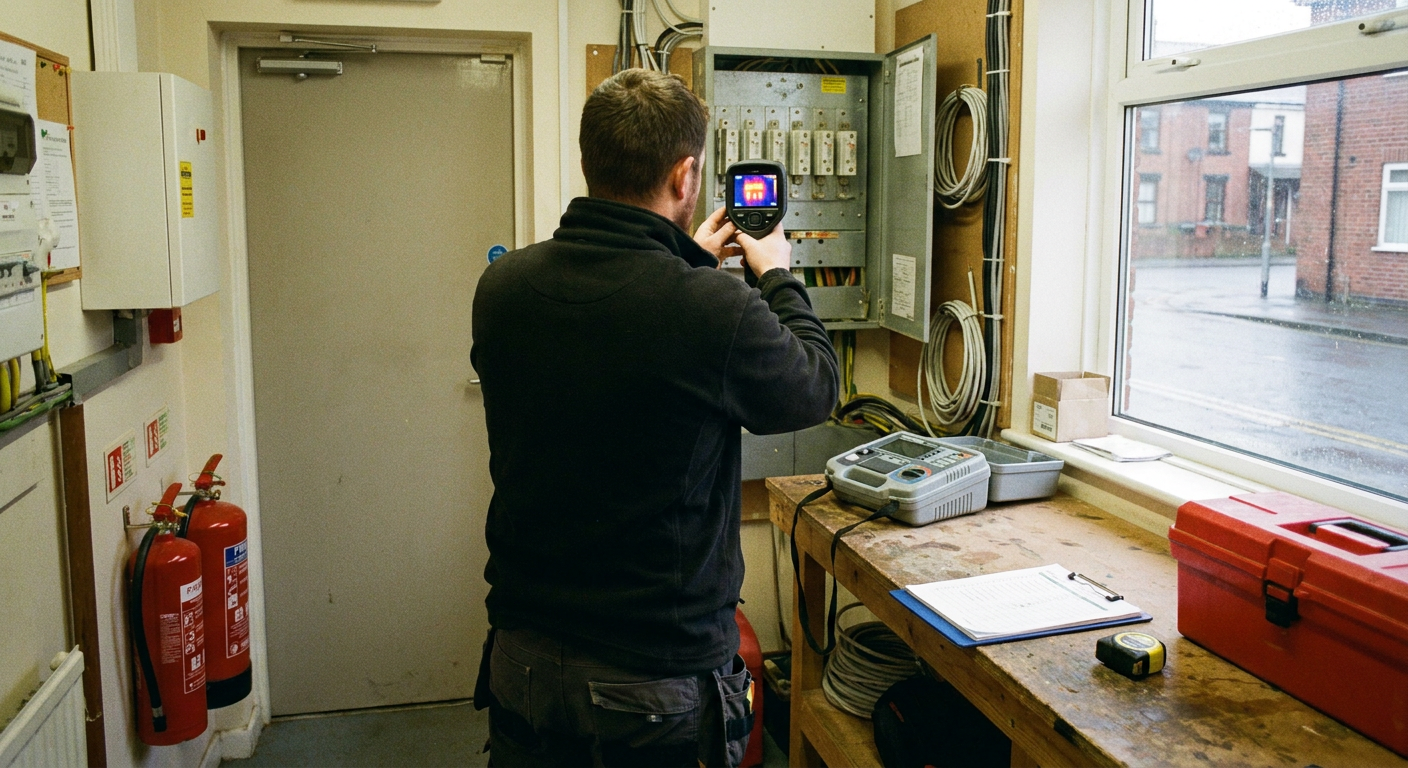
Related services in Harrow
Each of these supports the wider fire risk management duties at a building in Harrow.
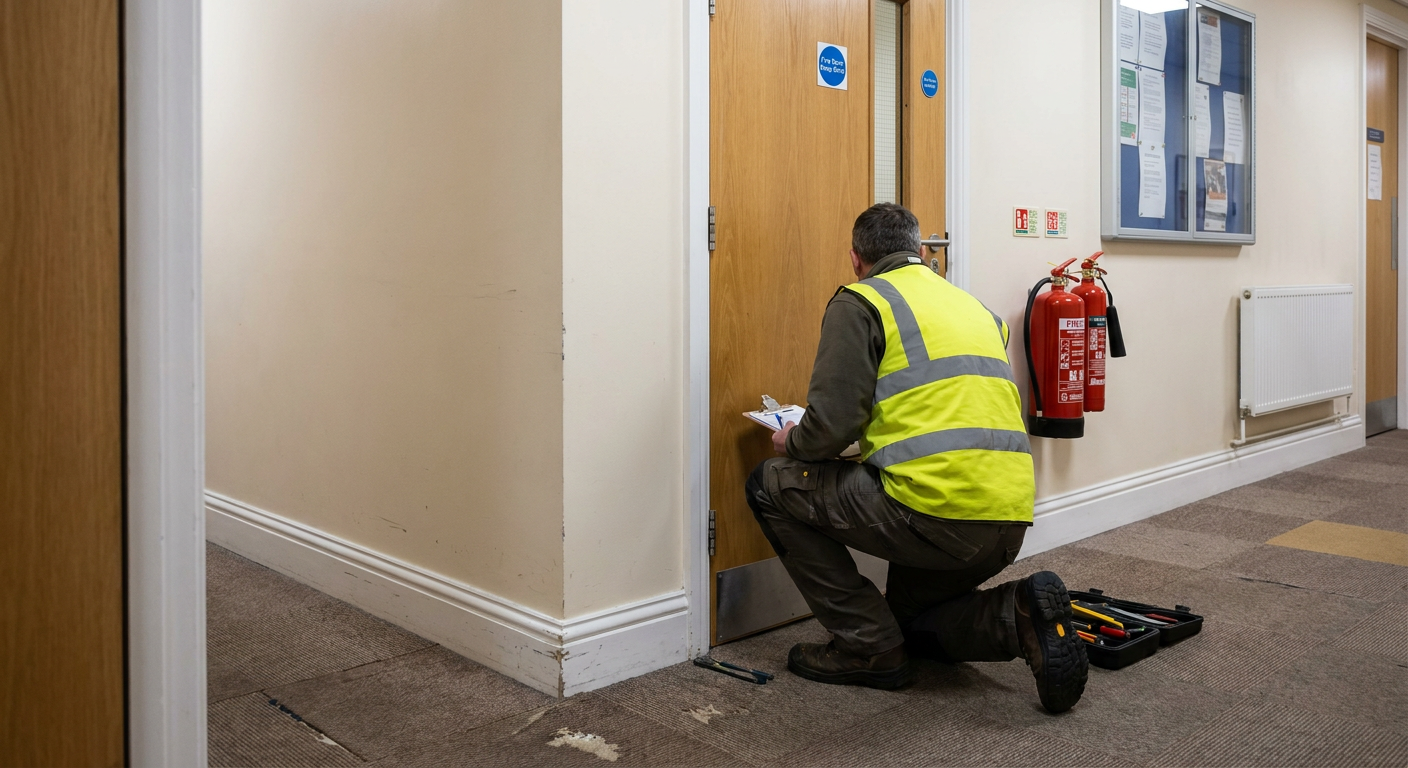
Fire Risk Assessment in Harrow
When you need the baseline review of risks and escape routes.
Fire Safety Policy and Procedures
For written rules covering alarms, drills and daily checks.
Health and Safety Report in Harrow
When broader workplace risks sit alongside fire precautions.
Nominated Person Fire Safety
If nobody at the site currently holds the legal duty.
What the signs around your building mean
A missing tag or a dark exit sign can point to different problems. These are common things people notice before asking about fire extinguisher testing Harrow arrangements.
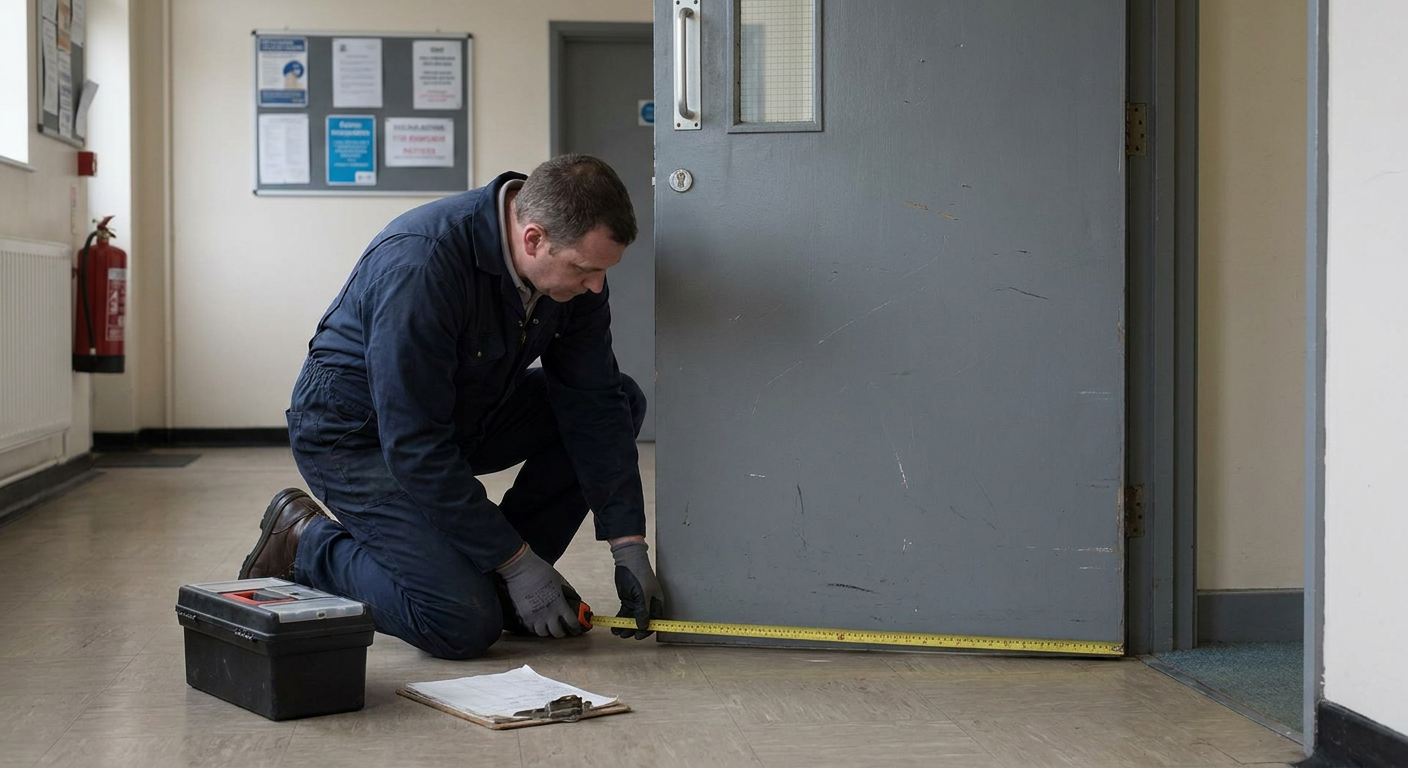
- Extinguisher with no service tag or date
- The unit has missed its annual check. A competent person needs to confirm it still holds pressure and works safely.
- Green exit light that stays off
- The battery or lamp has failed. Emergency lighting testing in Harrow should confirm whether the whole circuit needs attention.
- Call point covered by furniture or boxes
- Someone cannot raise the alarm quickly. The obstruction must move so the weekly fire alarm test log records a clear activation.
What shapes the cost of testing and advice
Every building differs in size, age and the number of devices fitted. The work required changes accordingly.
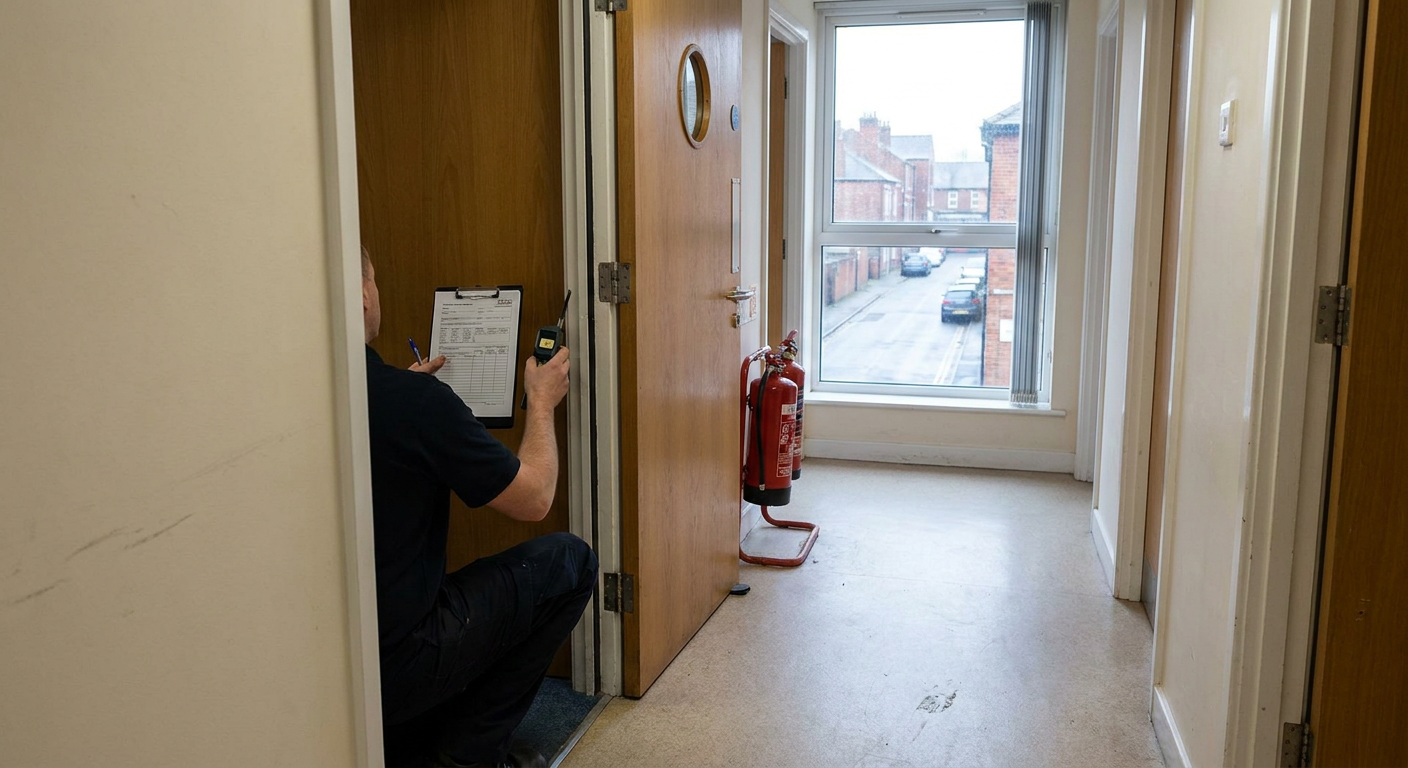
- Number of extinguishers
- More units take longer to examine, weigh and record during the visit.
- Type of building
- A shop, office block or HMO each carries different access needs and testing requirements.
- Emergency lighting circuits
- Longer drain-down tests involve more lamps and batteries to check across multiple floors.
- Condition of existing records
- Missing or incomplete log books mean the specialist spends additional time establishing the current baseline.
The specialist explains the exact cost for your particular job before anything is agreed.
How this site works
Harrowfire takes enquiries about fire risk management. Separate specialist firms carry out the work on their own account. They hold their own insurance and answer directly for the advice they give on your premises.
- Enquiries are taken here; separate firms do the work
- No testing, servicing or repairs are carried out by this site
- Specialists act on their own account and hold their own insurance
Questions about testing and log books
How often do my extinguishers need servicing?
British Standard 5306-3 sets the extinguisher service intervals at once a year for most types. The specialist usually examines the whole set on one visit, unless access to certain areas requires a return.
What goes in the fire log book each week?
The weekly fire alarm test log should record the date, which call point was used, whether the sounders worked, and any faults found. These fire log book requirements apply to all commercial premises in Harrow.
Who can do the weekly call point test?
A member of your own staff can press the call point each week. But only someone competent, who knows who can service fire extinguishers and alarm panels, should handle the annual examination and any repairs.
Do I need the three-hour emergency lighting test yearly?
Yes. The full drain-down test confirms batteries last long enough for an evacuation. The specialist schedules emergency lighting testing in Harrow outside normal hours to limit disruption for tenants and staff.
My extinguishers are ten years old. Replace or test?
Water and foam units typically require discharge testing or outright replacement at ten years. Powder and CO2 cylinders have different lifespans. The specialist advises which route applies to your specific models.
Will my insurer ask for testing records after a claim?
Insurers routinely request proof of maintenance. They expect dated certificates and completed log books showing regular checks. Missing records can delay or invalidate a payout, so keep everything filed together.
How many extinguishers does a small office need?
A small Harrow office usually needs at least two water or foam units, placed near exits and away from corners. The specialist confirms the exact number based on floor area and specific hazards present.
If faults are found during the visit, what happens next?
The specialist notes every fault in the report and explains what remedial work is needed. A separate firm then carries out those repairs. Nothing is fixed on the spot without prior agreement on scope.
Areas covered around Harrow
Enquiries are accepted from anywhere in the borough. The specialist firms travel across Harrow and the surrounding towns to advise on testing and maintenance at offices, shops, flats and houses in multiple occupation.
- Fire safety equipment testing and maintenance advice Bushey
- Fire safety equipment testing and maintenance advice Edgware
- Fire safety equipment testing and maintenance advice Greenford
- Fire safety equipment testing and maintenance advice North Harrow
- Fire safety equipment testing and maintenance advice Northolt
- Fire safety equipment testing and maintenance advice Park Royal
- Fire safety equipment testing and maintenance advice Perivale
- Fire safety equipment testing and maintenance advice Ruislip
- Fire safety equipment testing and maintenance advice South Harrow
- Fire safety equipment testing and maintenance advice Stanmore
Send an enquiry if your street is not listed here.
Ask about testing at your premises
Send the details of your building and the equipment you need checked. A specialist will reply to discuss what is required. Submitting this form does not commit you to any work or payment.
- No obligation to proceed
- Direct reply from a specialist
- Local to Harrow