Ask about a health and safety report
Health and safety in Harrow
Health and safety report
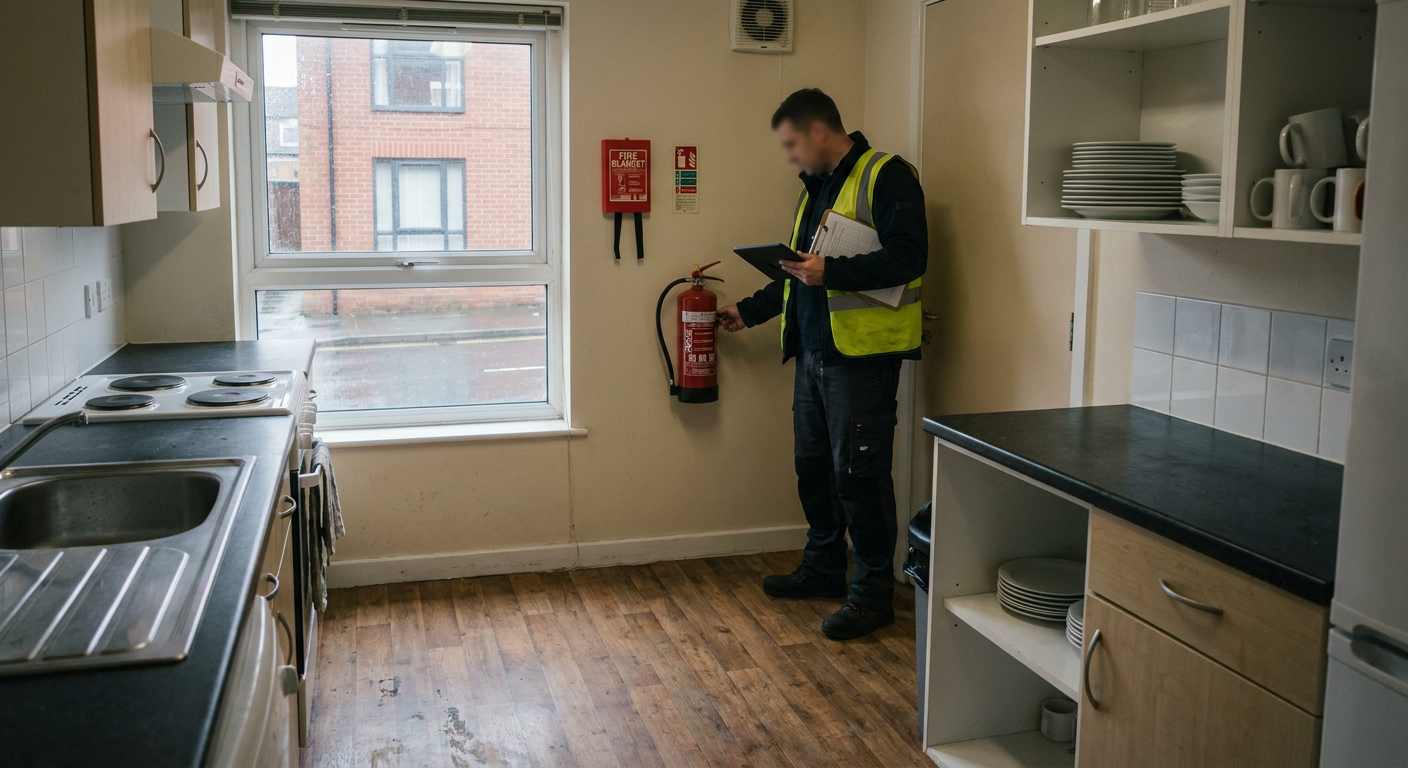
A health and safety report in Harrow goes beyond fire cover. A specialist firm carries out a general risk assessment alongside the usual checks, then writes up what needs attention for the duty holder.
- Combined site visit available
- Written actions in priority order
- Covers slips, electrics and height
What is covered
Site inspection and reporting
- General risk assessment
- The specialist walks through the building looking at daily hazards. This forms the basis of a general risk assessment for a small business or larger premises.
- Slips, trips and falls
- Floor surfaces, trailing cables and uneven steps are checked. The inspector notes where someone could lose their footing and records what should change.
- Electrical safety
- Plug sockets, wiring runs and portable appliances are examined for damage or misuse. The specialist flags anything that looks unsafe or overloaded.
- Working at height
- Ladders, mezzanines and storage areas above head height are reviewed. The inspector looks at how staff access these spots and whether protection is in place.
- Written findings
- Every hazard found during the site safety inspection in Harrow is written into a report with clear recommendations so the duty holder knows what to fix first.
Why a separate health and safety assessment matters
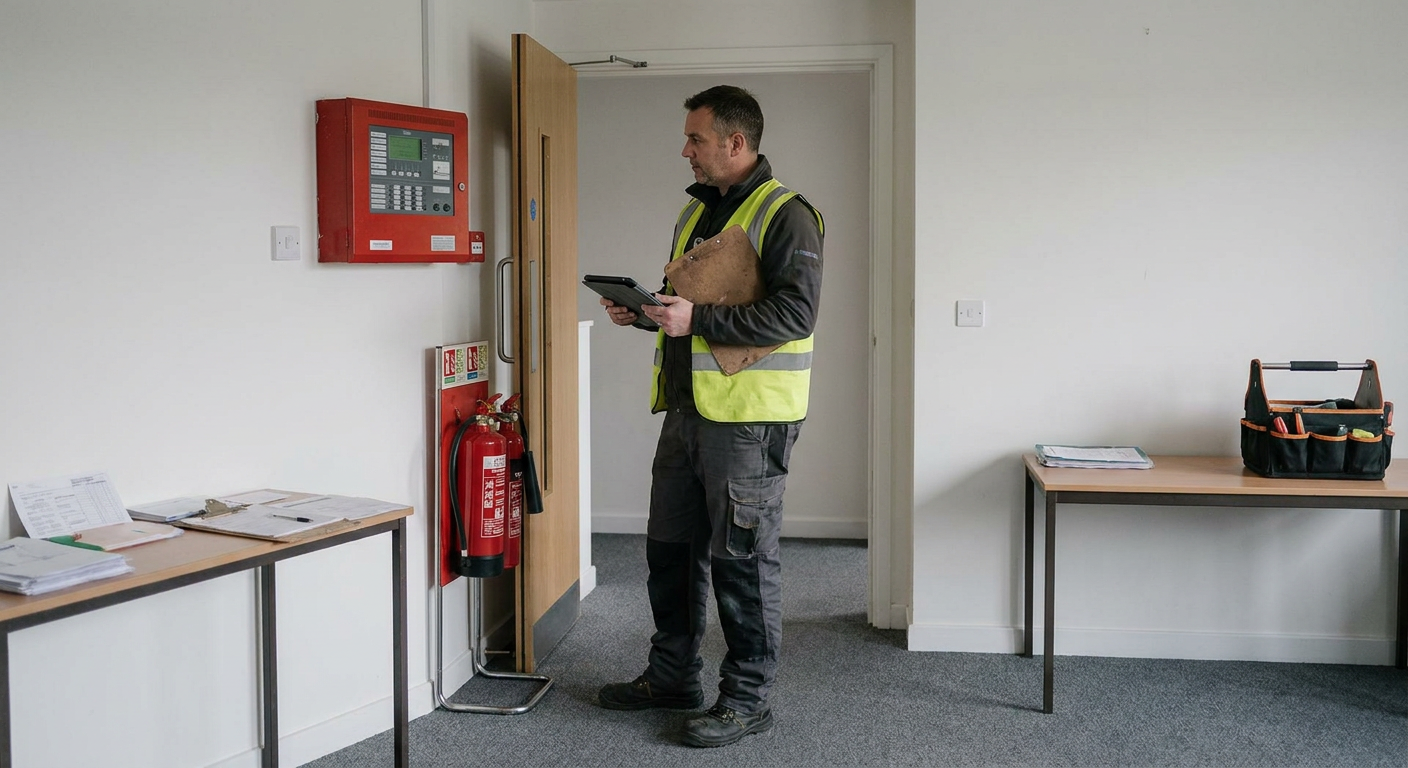
Fire work looks at ignition sources, escape routes and compartmentation. But a building holds other risks that need their own attention. A health and safety audit in Harrow finds those gaps before they cause harm.
- 1
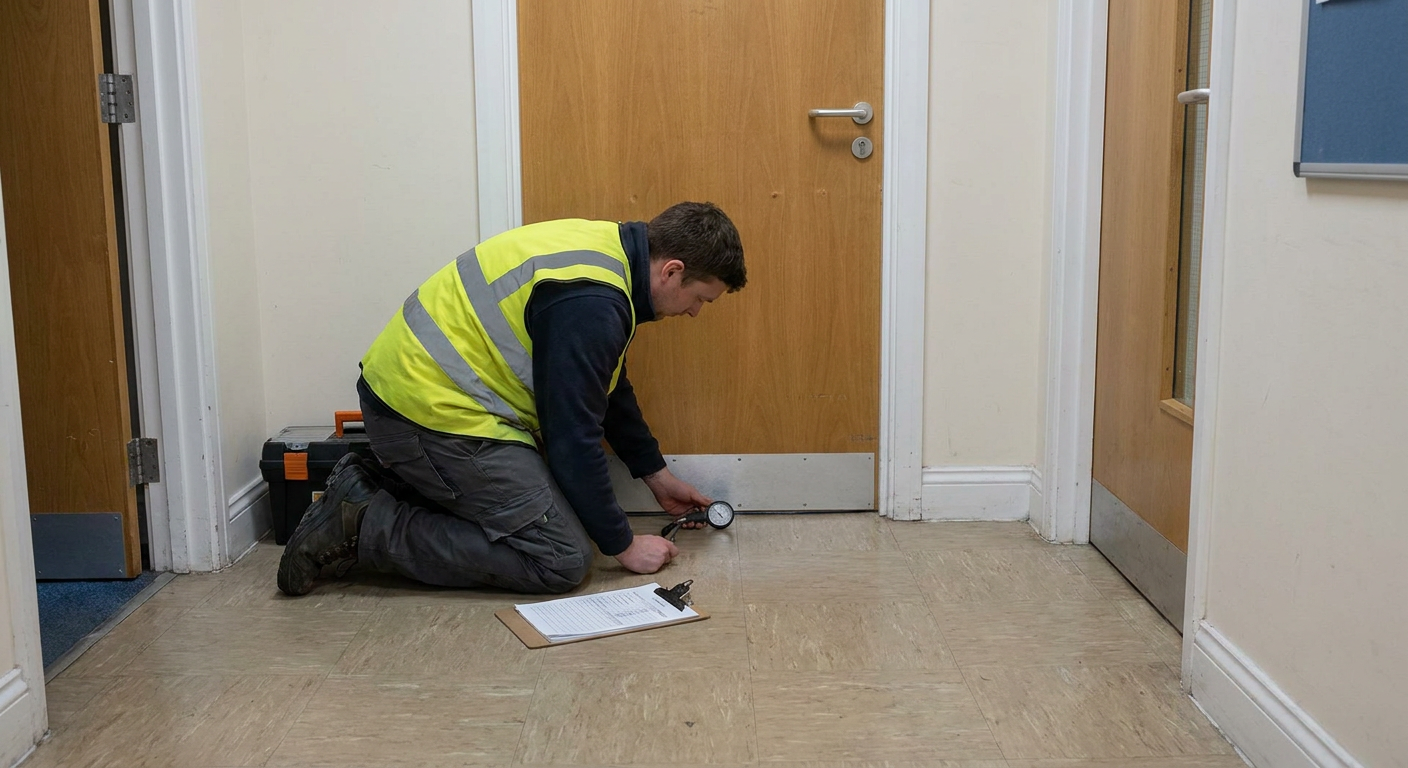
Trailing cables across walkways
Extension leads running over floors create trip hazards. They may also point to too few sockets for the equipment in use.
- 2
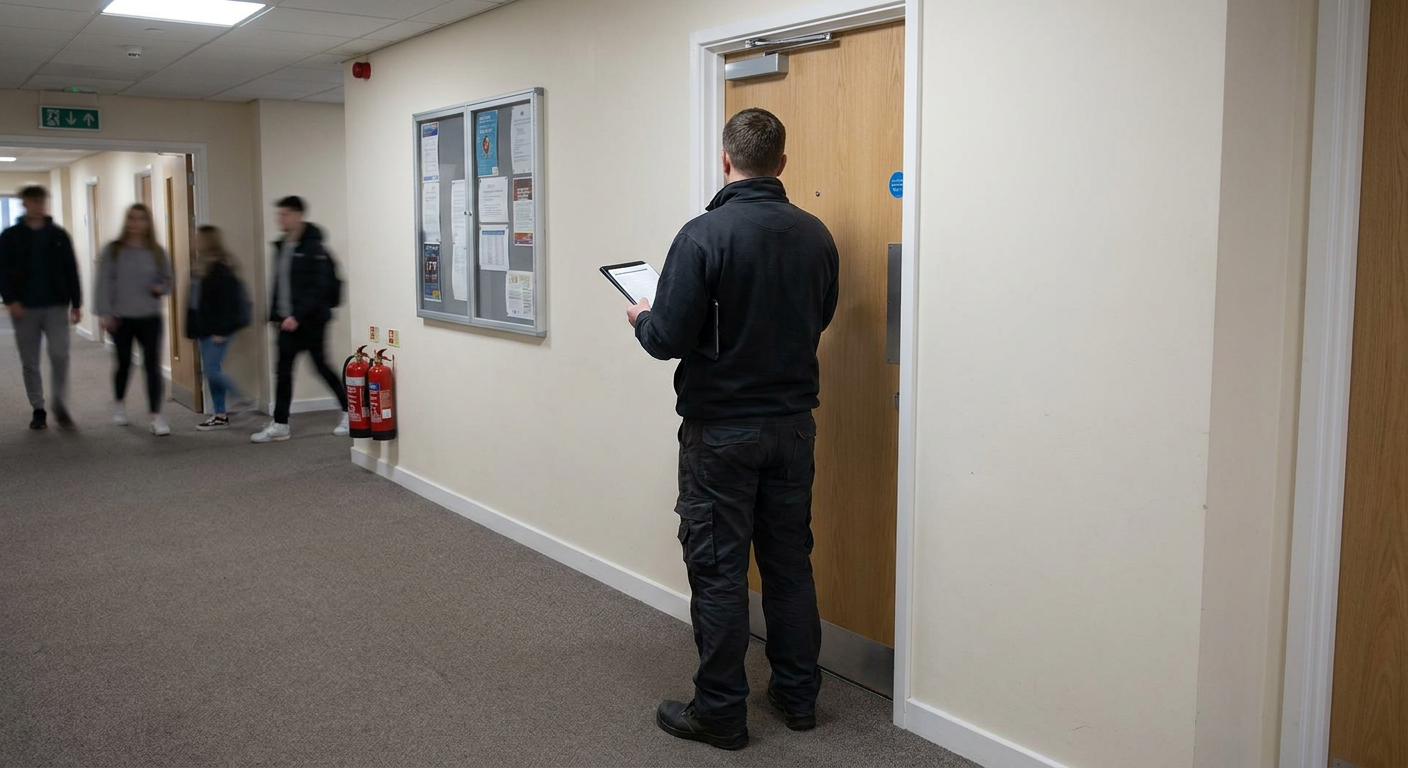
Blocked or narrow aisles
Stock piled in corridors limits movement. It can slow people down if they need to leave quickly and increases the chance of knocks.
- 3
Frayed plugs or sockets
Damaged insulation or scorch marks near power points suggest electrical faults. These need attention regardless of fire precautions.
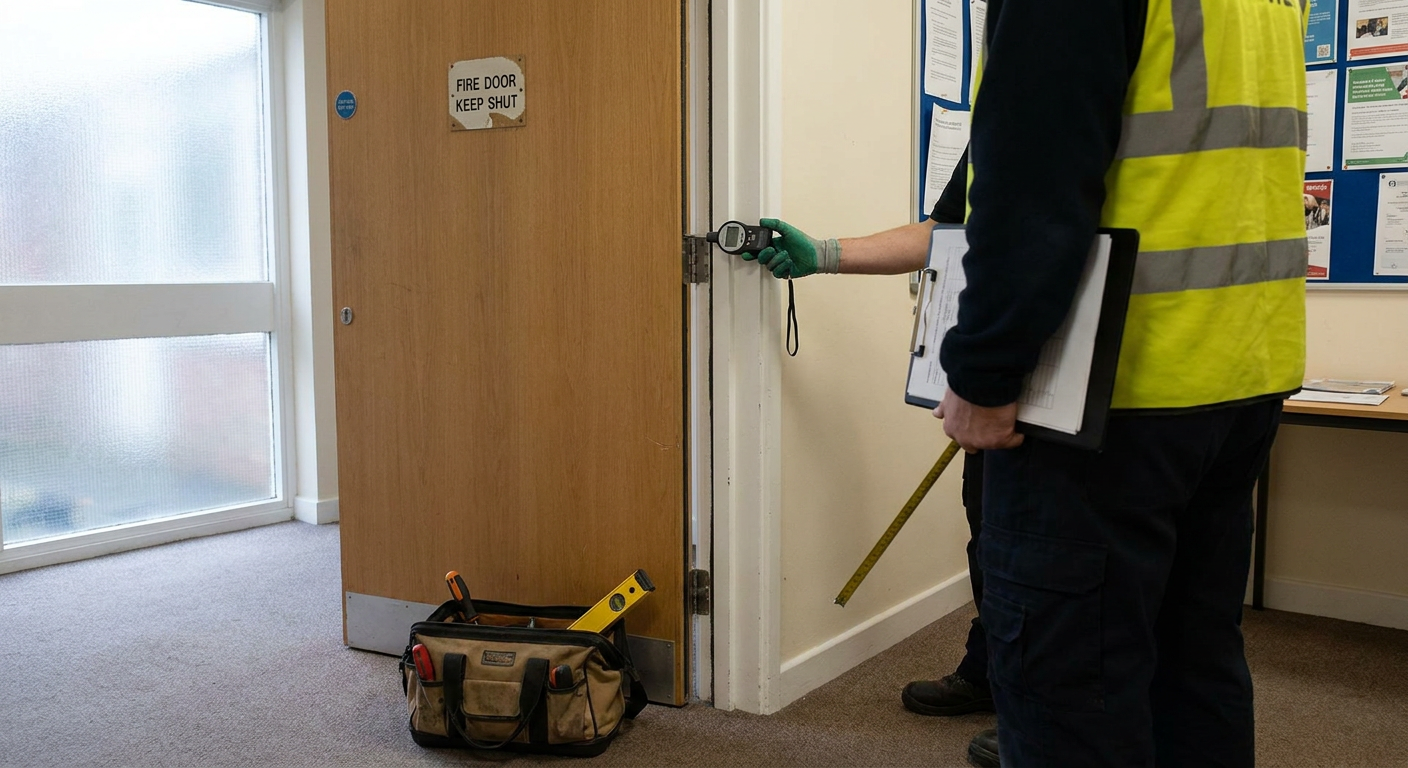
- 4
Staff climbing on furniture
When shelving is out of reach, people improvise. That usually means there is no safe method for working at height.
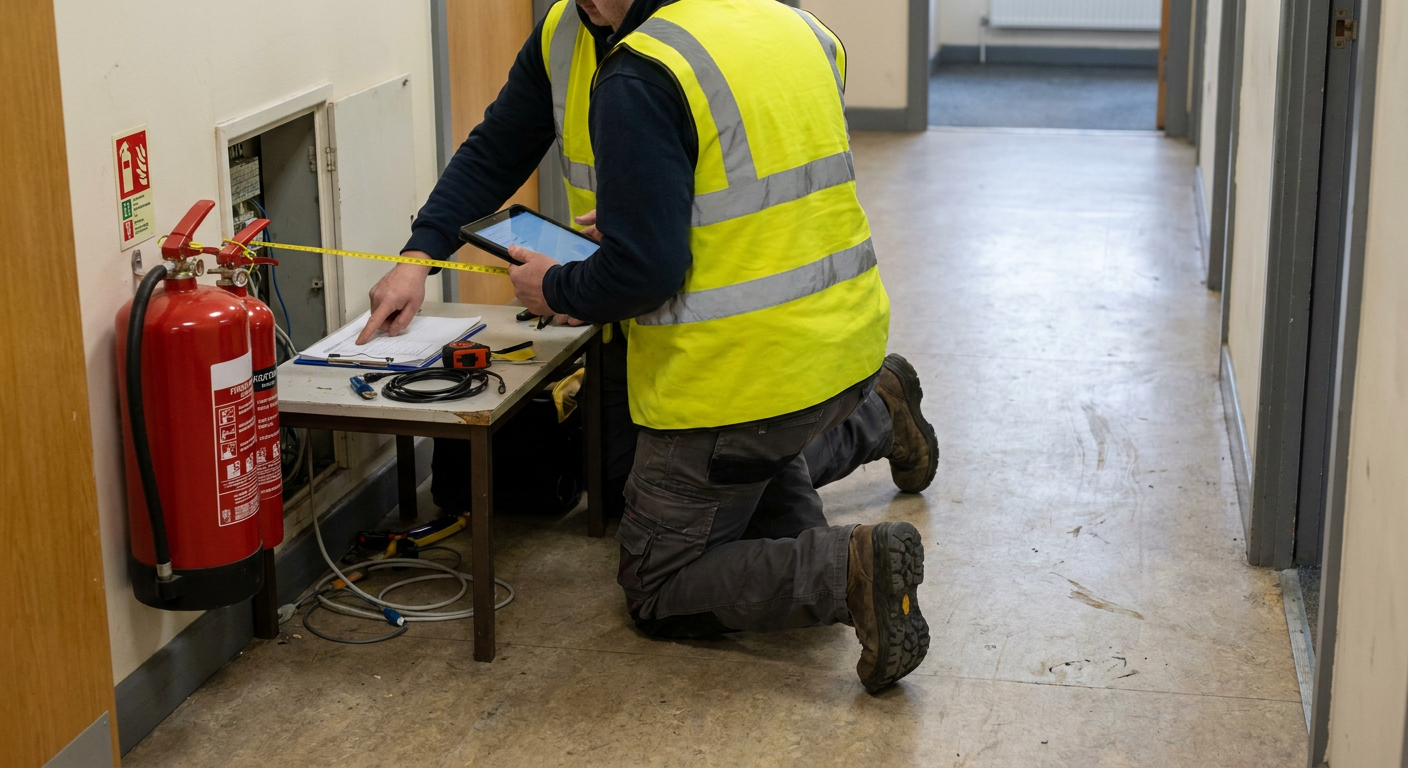
How the inspection and report work
The specialist firm follows a set sequence from arrival to the final document, often fitting this around scheduled fire work.
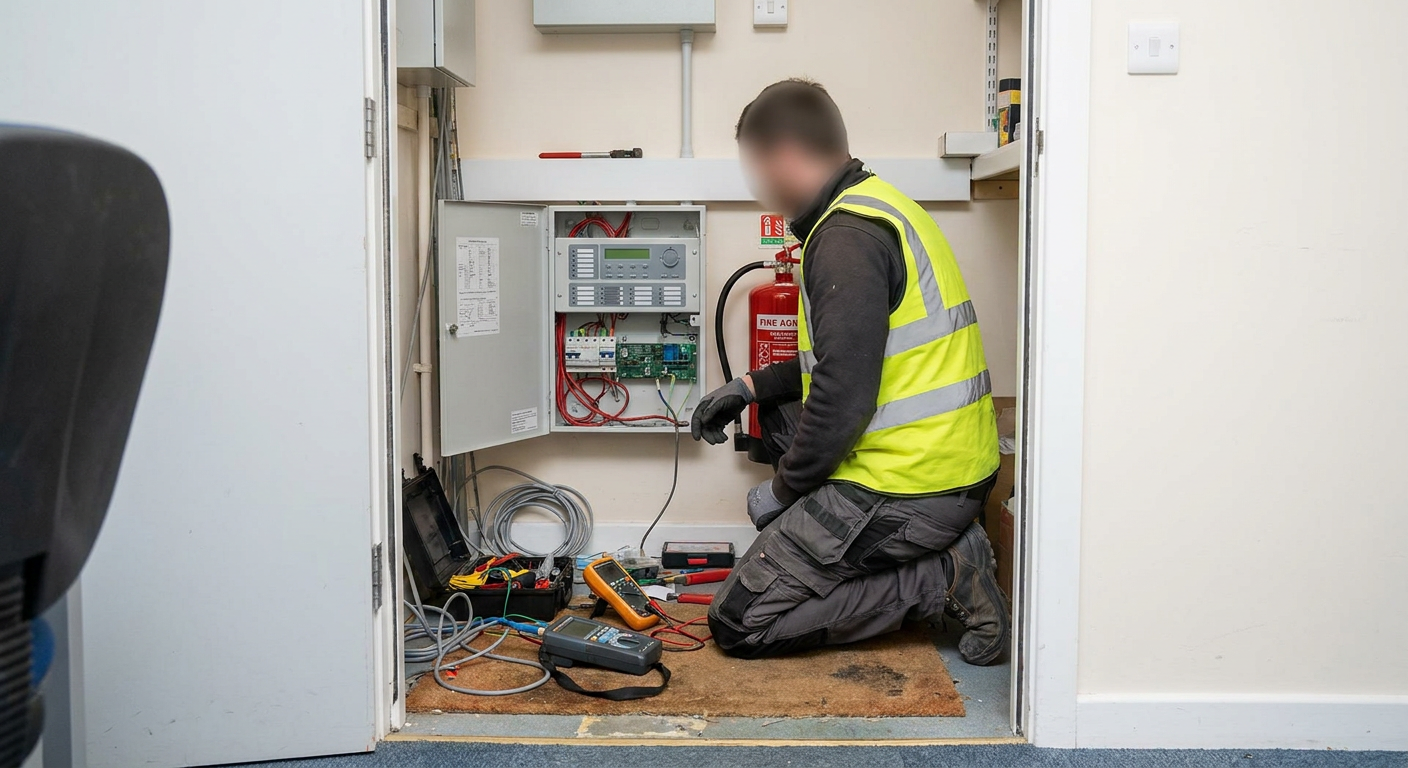
Initial briefing
The specialist talks to the duty holder about how the building is used and any known problems.
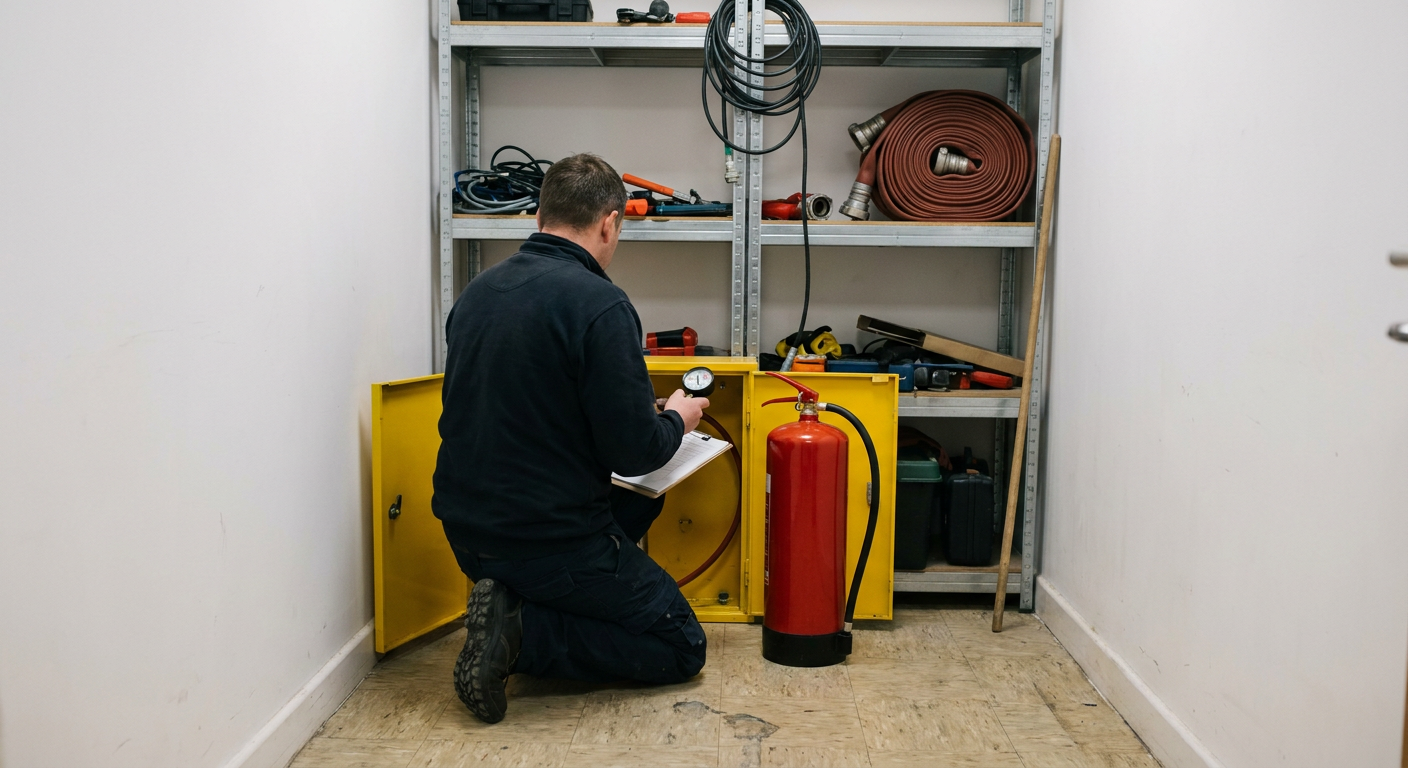
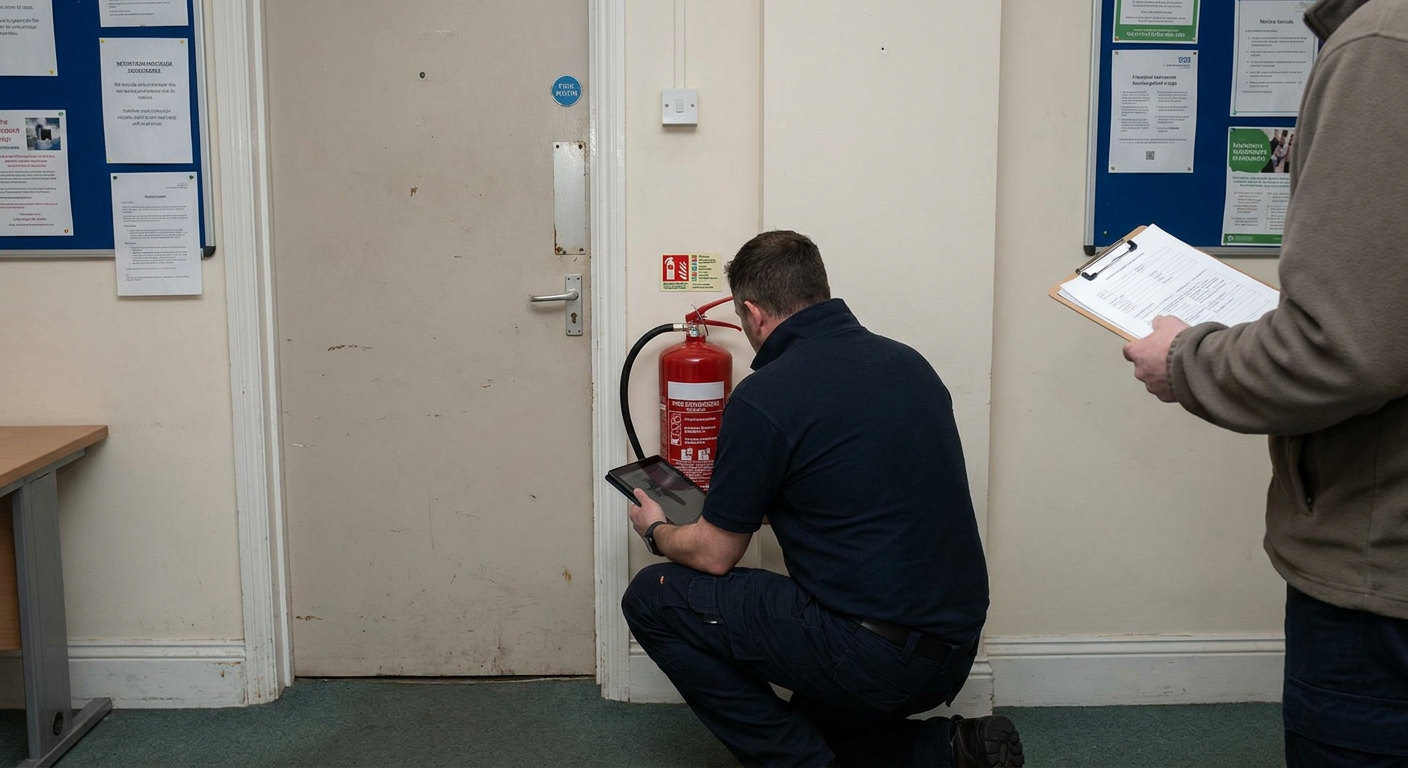
Walk-through survey
Every accessible area is examined for physical, electrical and manual handling hazards.
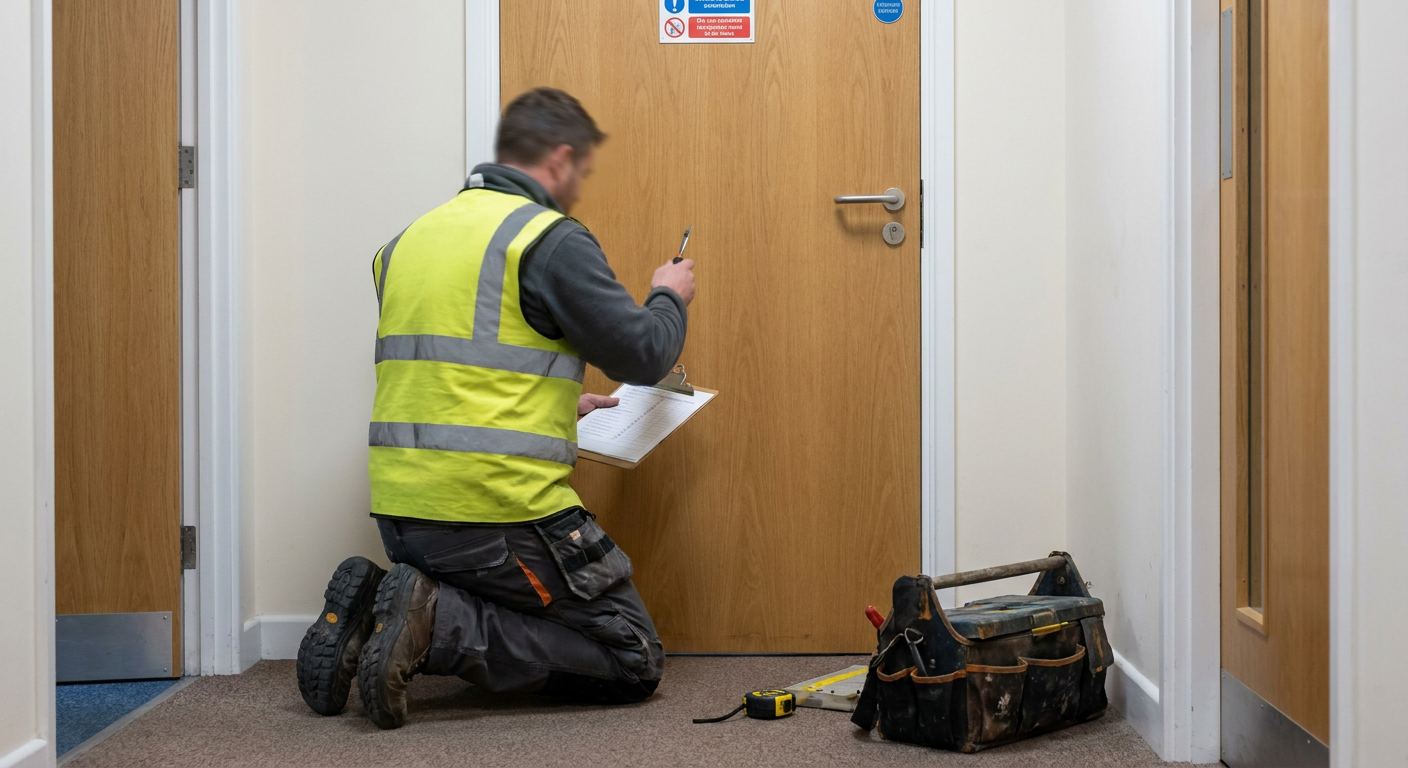
Drafting the report
Findings are written up with each hazard graded by how likely it is to cause harm.
Review meeting
The specialist goes through the safety report for premises in Harrow and agrees next steps.
What the written report contains
The document sets out what was seen, what needs fixing and in what order. It gives the duty holder a clear record to act on and show regulators if asked.
Hazard register
A list of every issue found during the inspection, noting exactly where it is and who might be affected.
Priority action plan
Each hazard is ranked by urgency so the duty holder knows which fixes matter most right now.
Legal context
Notes on which regulations apply to each finding, helping the duty holder understand their obligations.
What shapes the cost of an inspection
No two buildings present the same mix of hazards, so the amount of time a specialist spends on site and on paper varies.
The specialist explains the cost for your particular premises before anything is agreed.
- Size of the premises
- More floor space and more rooms mean a longer walk-through and a lengthier report to write up.
- Type of work done there
- A workshop with machinery involves different checks than a quiet office, adding to the time needed.
- Combining visits
- If the health and safety inspection happens on the same day as fire work, travel time is shared.
- Number of hazards found
- Writing up many issues with detailed recommendations takes longer than noting just a few minor faults.
Areas covered for health and safety reports
Harrowfire takes enquiries for premises across Harrow and the surrounding towns. The specialist firms operate throughout these areas, carrying out inspections and writing reports for local businesses.
If your town is not listed, send an enquiry anyway. Coverage often extends further.
- Health and safety reports Edgware
- Health and safety reports Ruislip
- Health and safety reports Park Royal
- Health and safety reports Northolt
- Health and safety reports North Harrow
- Health and safety reports Stanmore
- Health and safety reports Bushey
- Health and safety reports South Harrow
- Health and safety reports Greenford
- Health and safety reports Perivale