Staff training
Fire safety awareness training in Harrow for staff
Find out what a fire safety awareness session covers, how long it usually runs, and whether the specialist firm delivers it at your building or online. Ask about dates and group sizes for staff in Harrow.
What a typical session covers

- How fires start and spread
- A look at common ignition sources in workplaces and homes, and how smoke and heat move through a building during a fire.
- Raising the alarm and getting out
- What to do when an alarm sounds, how to follow the escape routes set out in the fire evacuation plan, and where to gather safely outside.
- Using extinguishers safely
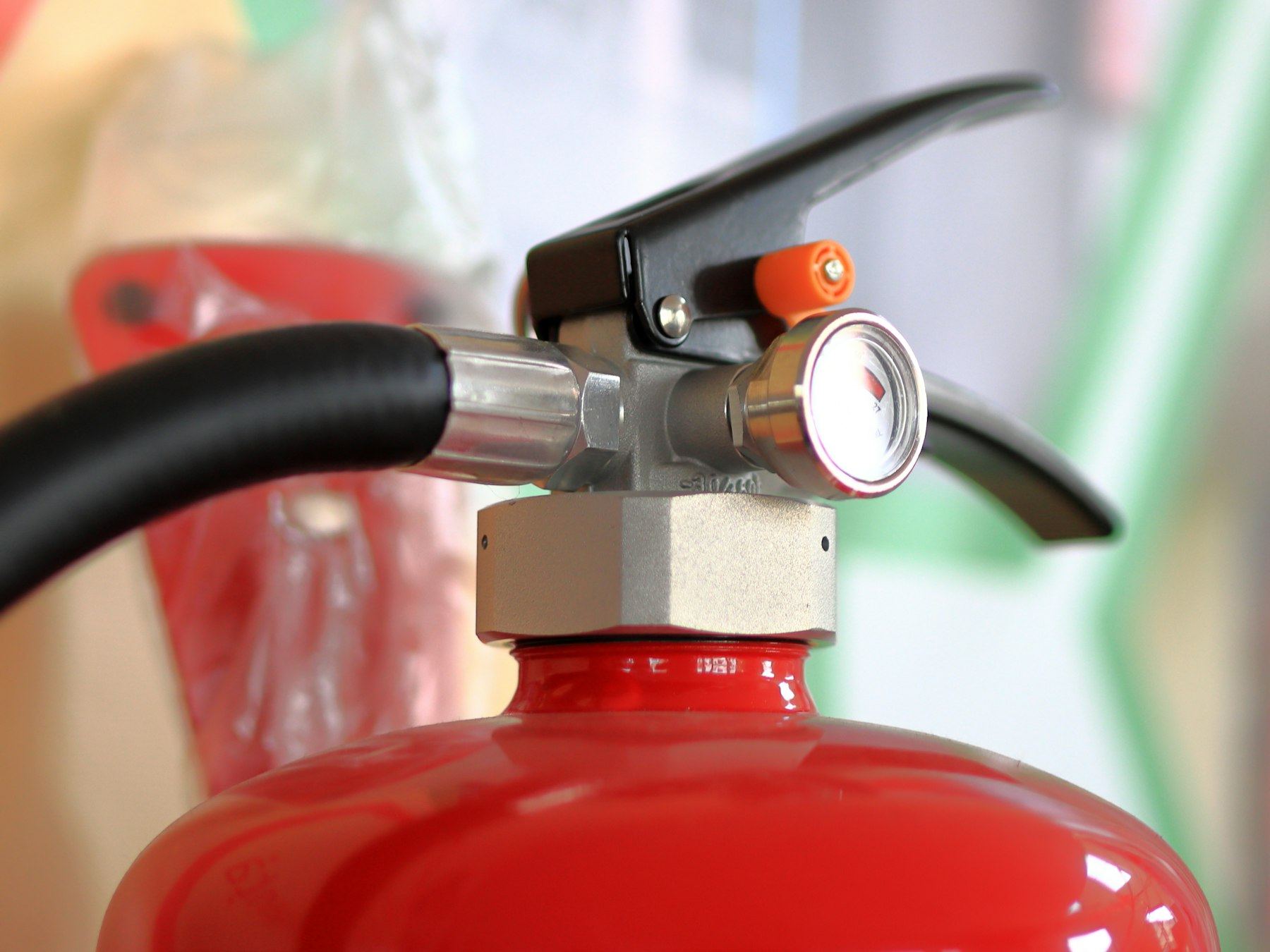
- When it is safe to tackle a small fire and when to leave it alone, alongside advice on equipment testing and maintenance.
- Preventing fires every day
- Practical habits for keeping exits clear, storing materials safely, and spotting faults before they become a problem.
Why staff need fire safety awareness
People who work in a building often assume someone else handles fire safety. Without basic awareness, small risks go unnoticed and alarms cause confusion rather than action.
- 1
Blocked corridors and exits
Boxes or furniture left in hallways slow down an escape and suggest nobody has pointed out the hazard to the people working there.
- 2
Confusion during alarm tests
If staff ignore the alarm or wander around looking for its source, they have not been told what to do when it sounds.
- 3
Propped-open fire doors
Wedges holding fire doors open defeat compartmentation. It usually means the reason for keeping them closed was never explained.

- 4
Overloaded plug sockets
Extension leads daisy-chained together show a gap in everyday habits that a short session can correct.
From uncertainty to a prepared workplace
Training changes how people behave in a building. The starting point and the finish are typical of most workplaces in Harrow.
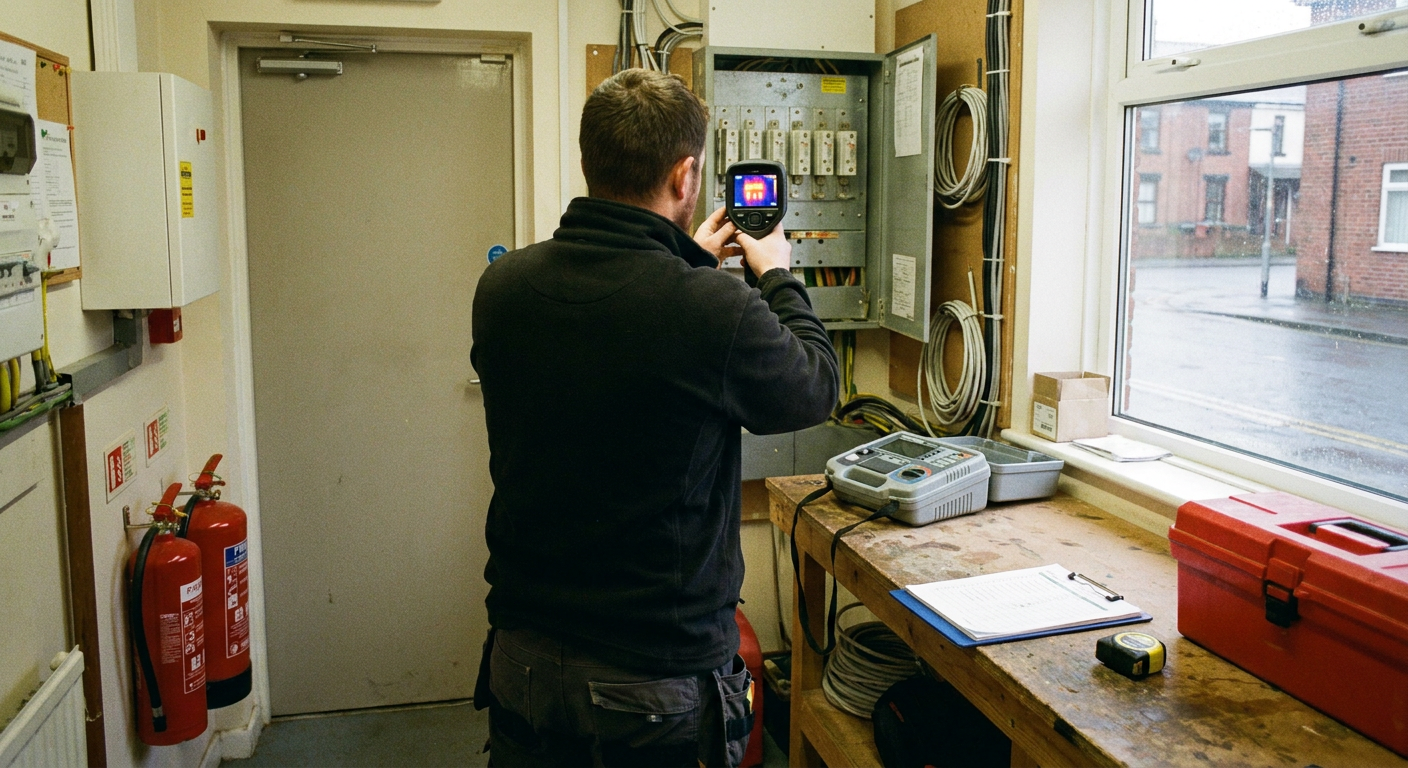
Before the session
Staff may not know where the nearest exit is, what the alarm sounds like, or who to report a fault to. Small hazards stay in place because nobody spots them.
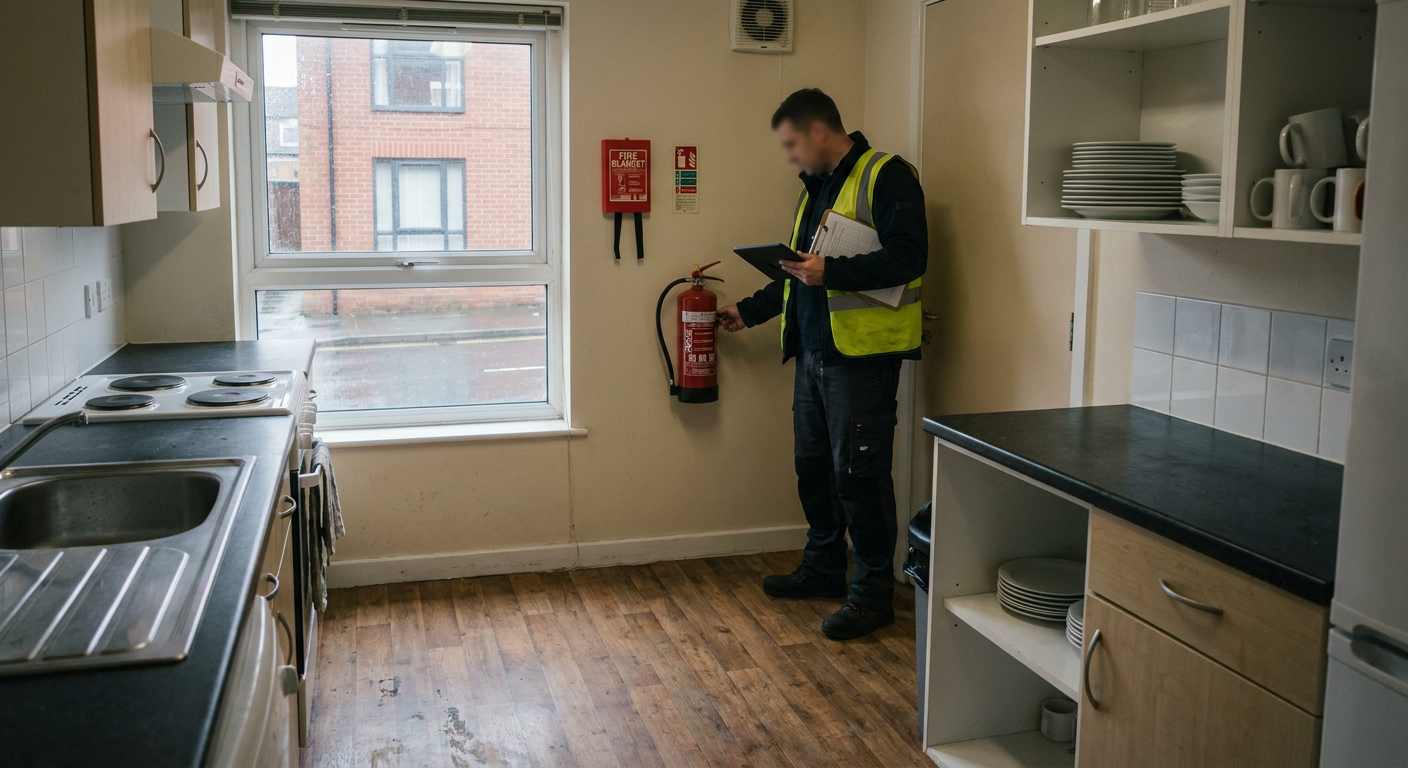
After the session
People recognise risks, know the escape routes, and understand their part in an evacuation. They report blocked exits and faulty doors instead of walking past them.
What you receive after training
The specialist firm records what was taught and who attended. This paperwork forms part of the building's wider fire risk management evidence.
- Attendance register
- A signed list of everyone who took part, kept on file to show the responsible person that staff received instruction.
- Session summary
- Notes on the topics covered, tailored to the specific building and any local risks identified beforehand.
- Follow-up recommendations
- Suggested next steps, such as arranging fire warden training or updating the fire safety policy and procedures.
Questions about booking a session
- Where does training take place?
- The specialist firm can run sessions inside your building so staff see their own escape routes, or deliver them online if gathering in person is difficult.
- How long does it last?
- A standard awareness session takes between one and two hours. Longer formats are available for larger groups or buildings with complex layouts.
- Who should attend?
- Everyone who works in or regularly visits the building. New starters should be included soon after they arrive.
- Is this the same as warden training?
- No. Fire warden training covers specific duties during an evacuation. Awareness training is for all staff.
Ask about dates and group sizes
Send your details and the specialist firm will reply with available dates. Asking does not commit you to a booking or a fee.
- No obligation to book
- Flexible group sizes
- On-site or online