Fire door inspection, Northolt
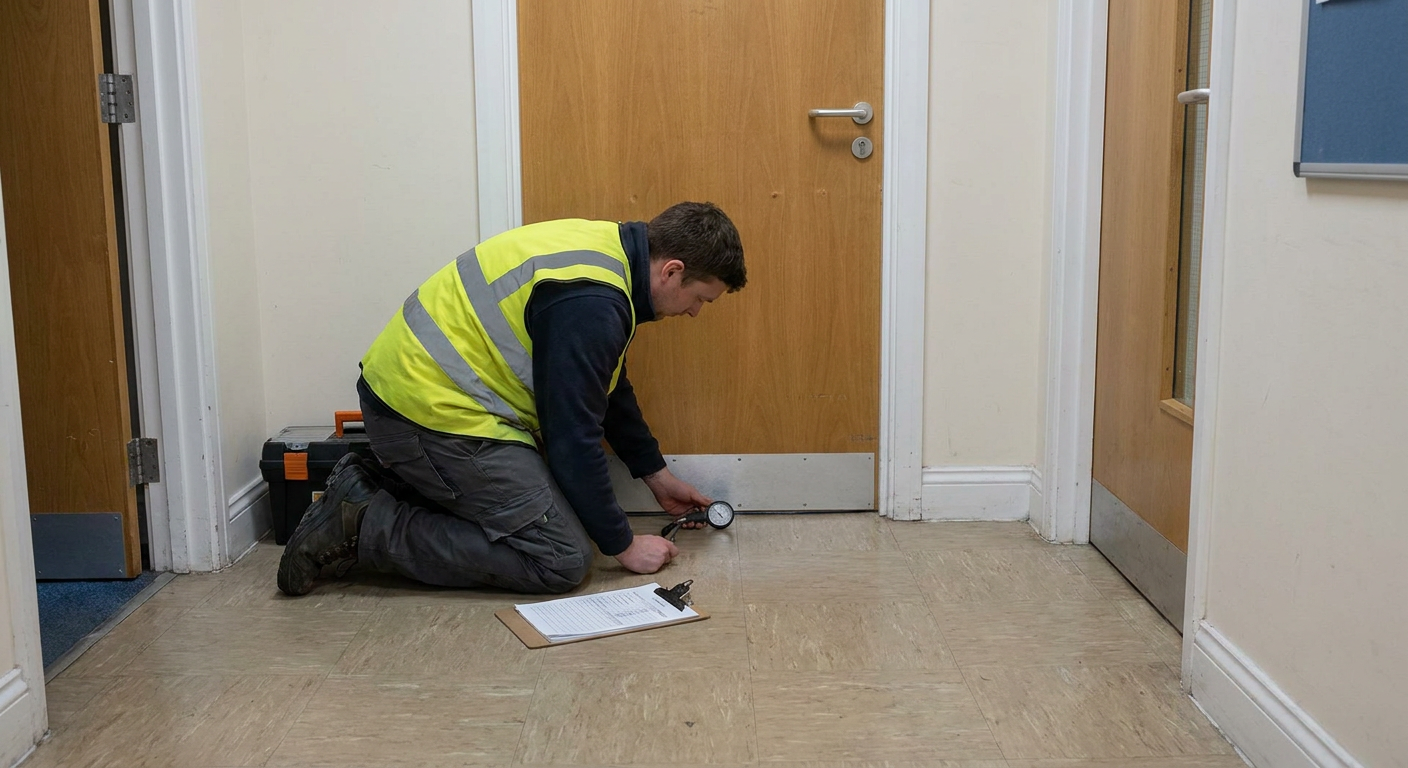
A fire door inspection in Northolt finds out whether the doors in your home or block are safe. Older converted buildings here often have doors that no longer meet standards. Send an enquiry and a specialist will arrange to look.
- Every flat entrance door checked
- Gaps, closers and seals measured
- Clear report on what needs doing
Ask about your doors
Older homes
Why doors in Northolt need checking
Nearly half of homes in Northolt were built before 1982, and many older houses have been split into flats. A fire door check in UB5 reveals whether those original doors still hold back smoke and flame.
Converted house fire doors in London often fail because they were never designed for compartmentation. A specialist examines the frame, hinges and glazing to see if the set works as a barrier.
Post-war social housing blocks around Northolt rely on strict communal fire door maintenance. When riser shaft doors warp or closers break, the whole escape route is compromised.
If you wonder how to tell if the flat entrance doors in your Northolt block are actually fire doors, look for a certification label on the top edge. Absent that, a survey confirms it.
Fire safety services around Northolt
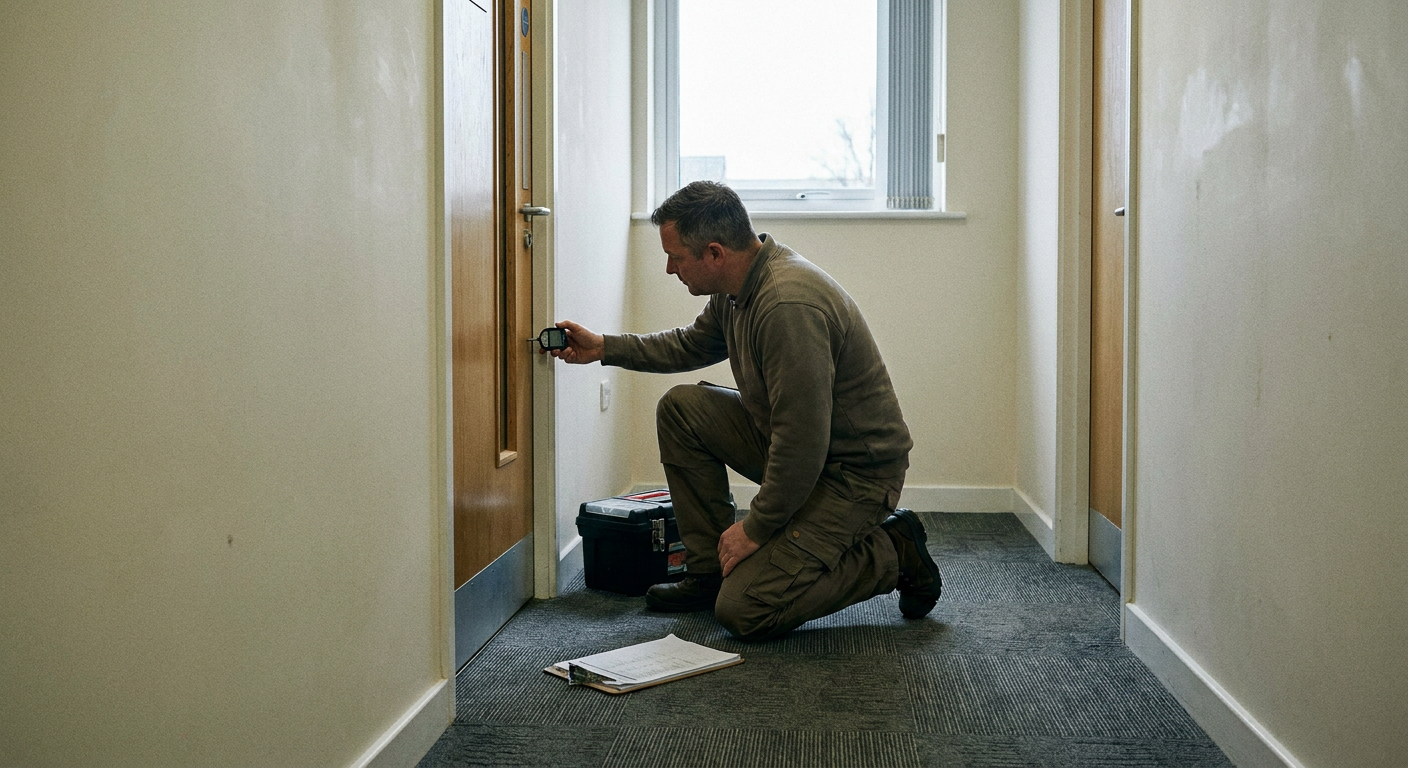
Each service below addresses a specific part of fire risk management. A specialist firm handles the work once an enquiry is placed through Harrowfire.
-
Fire door inspection
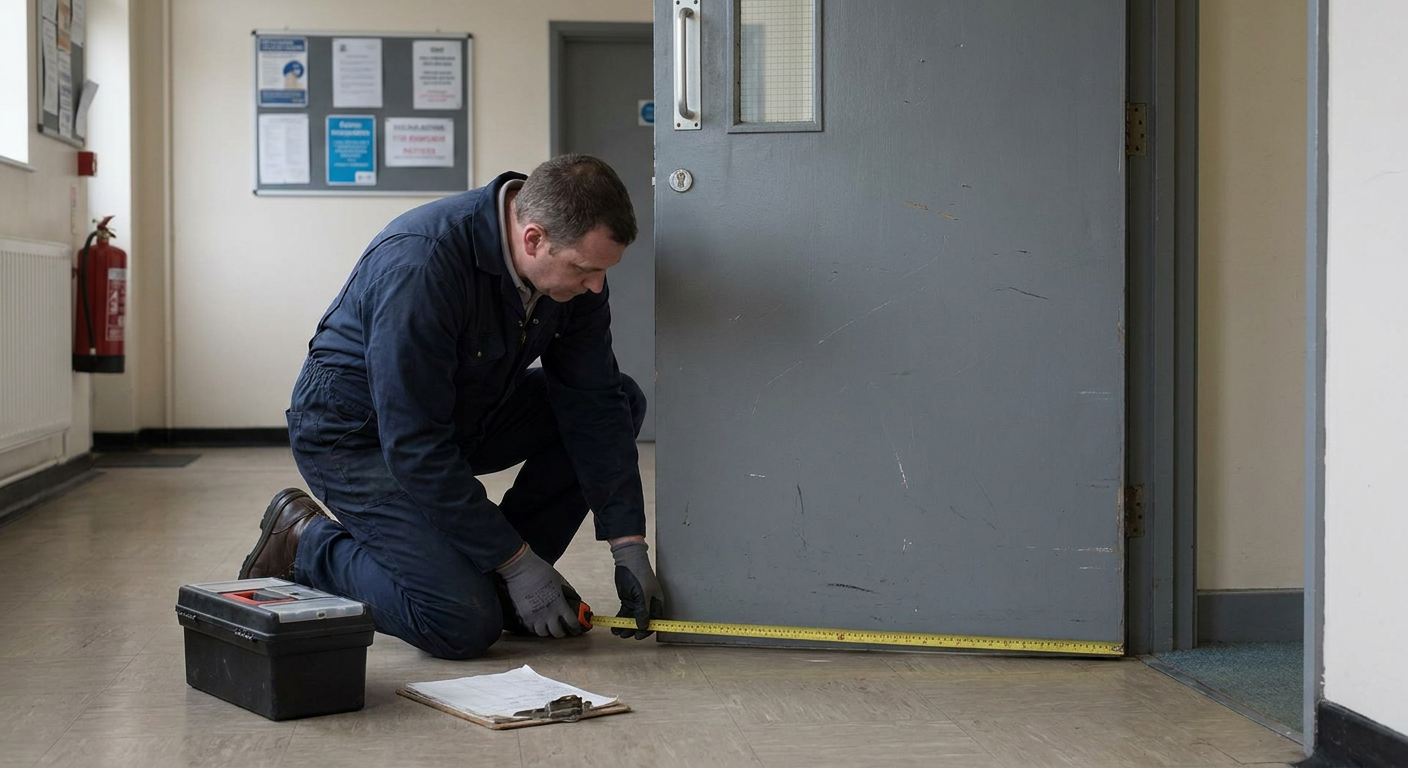
A specialist inspects every fire door in the building, measuring gaps, testing self-closers and recording faults in a written report.
-
Fire risk assessment
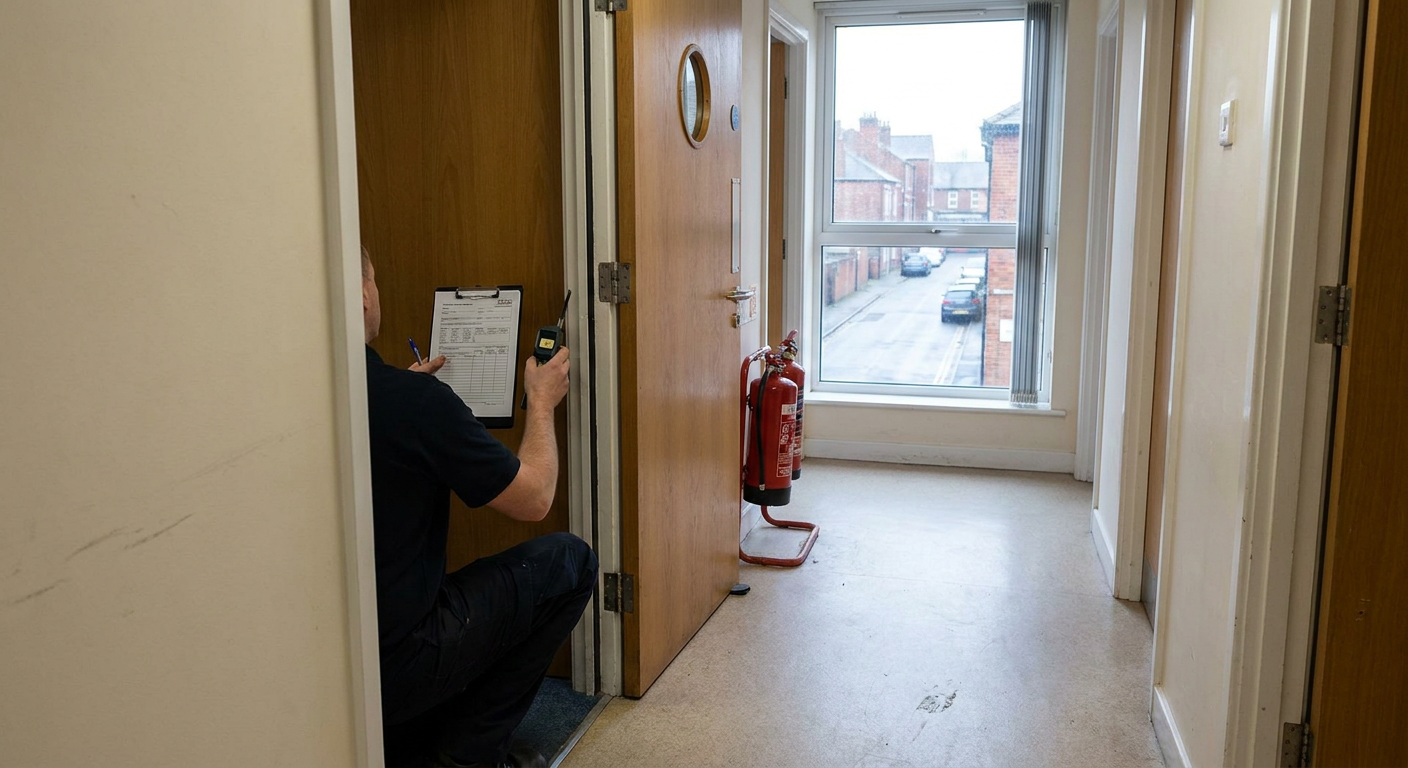
A specialist fire risk assessor reviews the layout, escape routes and hazards of your home or block, then writes a plan to reduce risk.
-
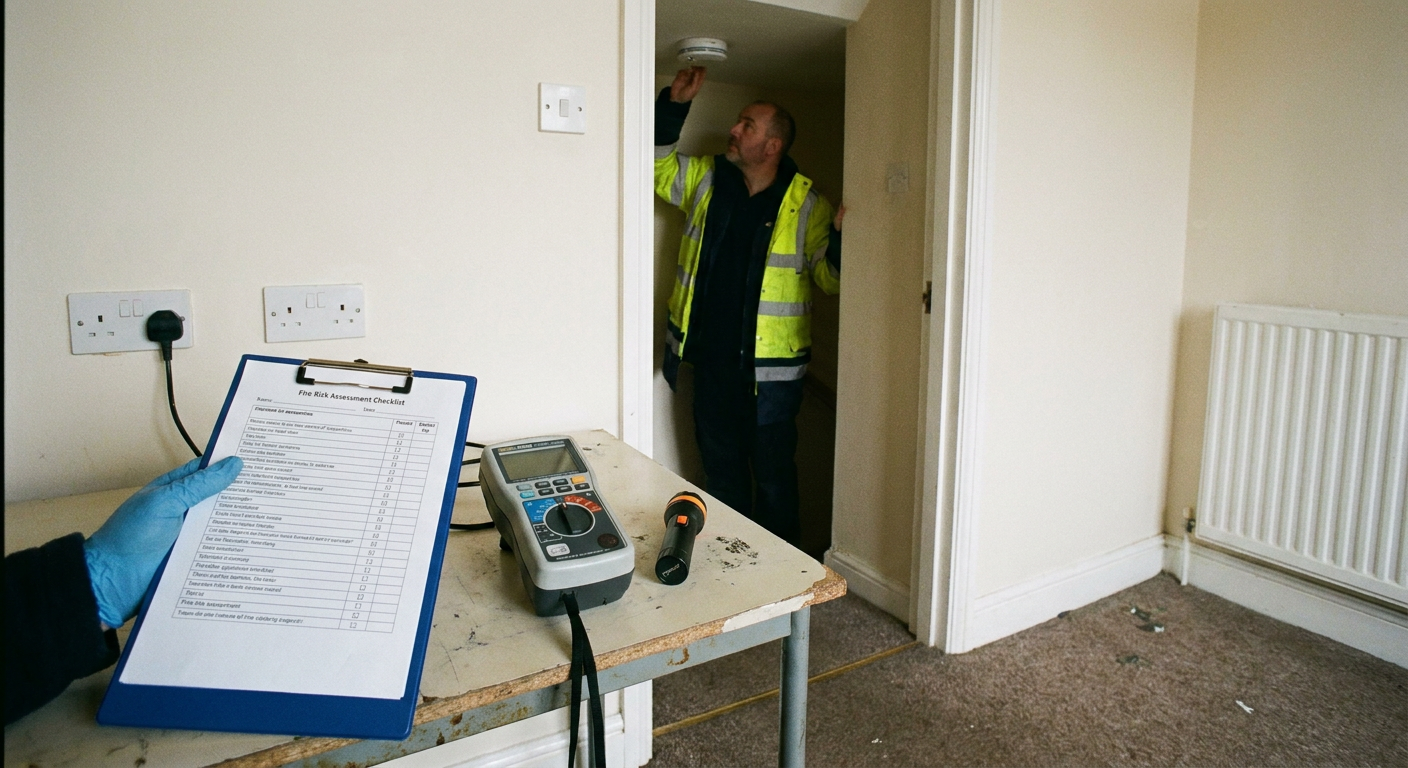
Compartmentation survey
A surveyor checks walls, floors and hidden voids to confirm fire cannot spread unseen between flats or into communal corridors.
-
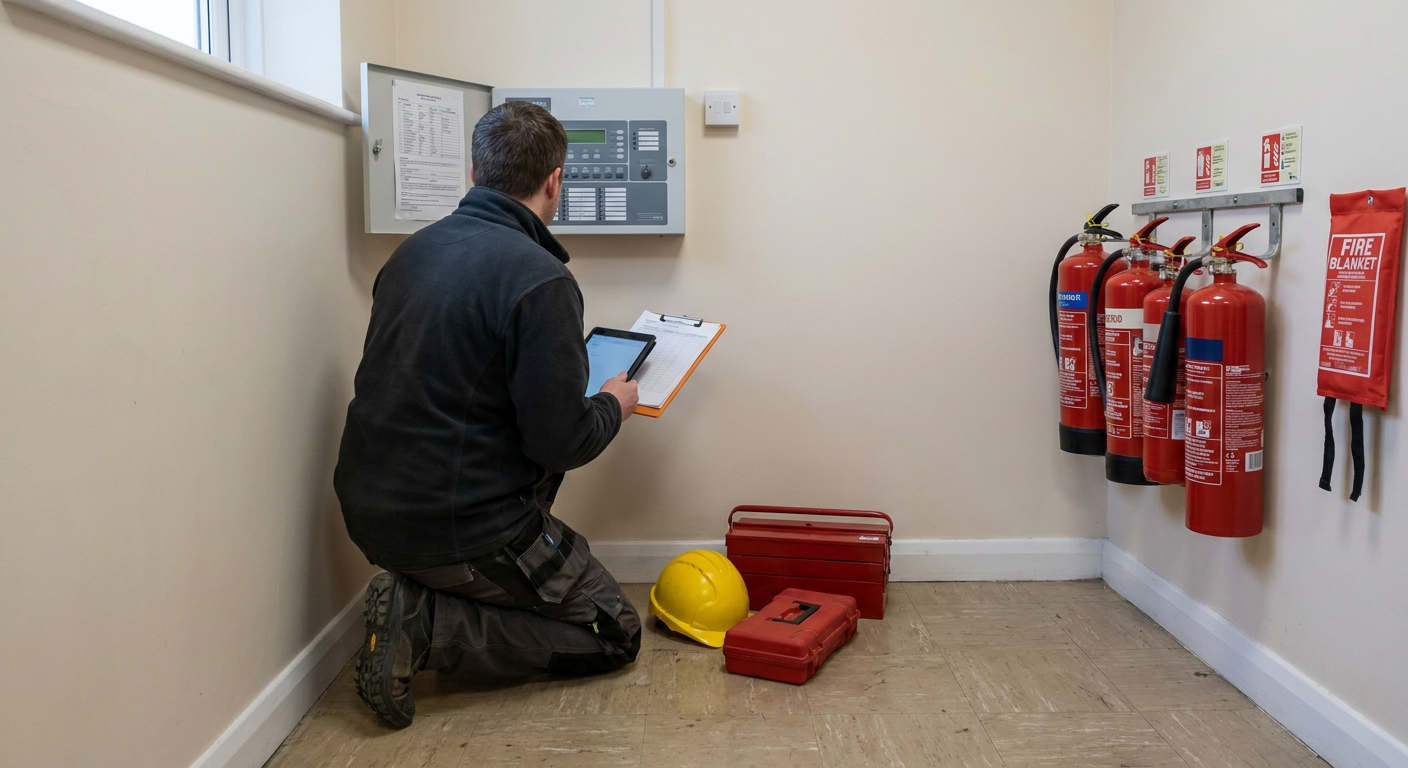
Fire strategy
A fire engineer produces a written strategy showing how the building meets regulations and where upgrades are required.
Your questions
What people ask about flat entrance doors
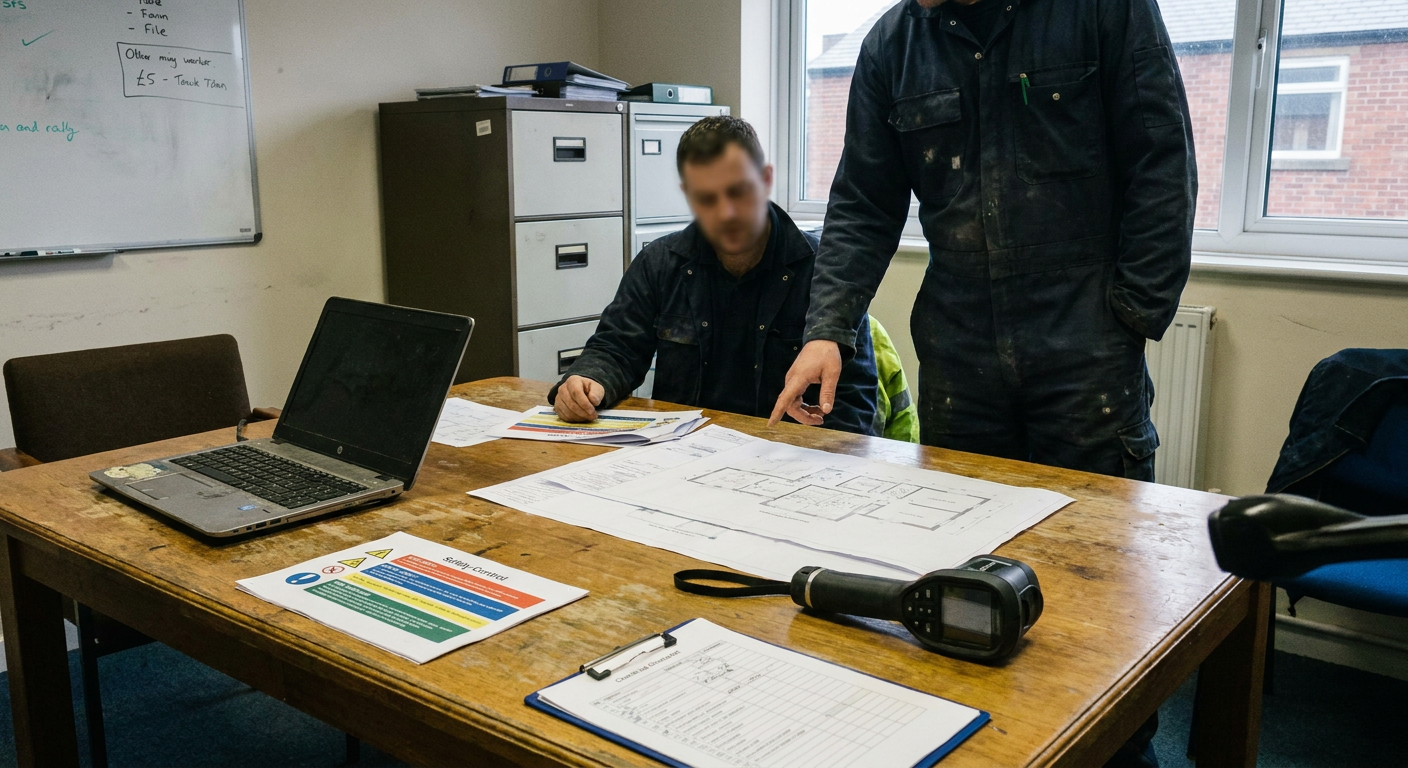
- Original doors in Victorian conversions
- Original doors in a Victorian conversion rarely meet fire standards. A specialist inspects the leaf, frame and hinges to determine if upgrading is possible or if replacement is required.
- Sample or every door
- How many doors get inspected? For a flat entrance door inspection, every door serving a separate dwelling must be examined. Sampling is not permitted under current regulations.
- Gaps versus closers
- What usually makes a door fail? Both matter, but fire door gaps too big are the most frequent fault. Perimeter gaps over three millimetres let smoke through immediately.
- Repair or replace
- A failed door does not always need replacing. Worn intumescent strips or a misaligned closer can often be repaired.
- Access to each flat
- Do inspections need access inside? Yes. The specialist must see the inside face to check intumescent strips, cold smoke seals and hinge ratings.
How a door inspection works
The order matters because early checks rule out simple fixes before the specialist moves to structural faults that require full replacement.
-
Certification and rating
The specialist looks for a plug or label proving the door was manufactured to a recognised fire standard. Missing proof means the door cannot be assumed safe.
-
Gap measurement
Using feeler gauges, the specialist measures the gap around the leaf. Anything above three millimetres fails, since smoke passes through wider spaces quickly.
-
Self-closer operation
The closer must shut the door fully from any angle. The specialist opens it to several positions and watches whether it latches without sticking or slamming.
-
Seals and intumescent strips
Intumescent material expands in heat to seal the gap. The specialist checks these strips are continuous, painted over correctly and seated flush in their grooves.
-
Hinges and hardware
Three hinges minimum are required. The specialist verifies they carry a fire rating, that screws are tight and no parts are missing or substituted.
If measurements conflict, the specialist records the worst reading and flags the door for repair or replacement.
Repair or replace a failing fire door
Knowing the difference helps when planning the next step after a fault is found.
| Repair the existing door | Replace the whole set | |
|---|---|---|
| When it applies | Repair the existing doorMinor faults like worn seals, loose hinges or a broken closer. | Replace the whole setA warped leaf, missing label, undersized frame or unrated core. |
| Work involved | Repair the existing doorFitting new components that match the original fire rating exactly. | Replace the whole setThe specialist removes the old set, fits a compliant replacement and makes good. |
| Disruption | Repair the existing doorShort visit per door with no change to the opening size. | Replace the whole setLonger work requiring residents to keep the doorway clear while fitted. |
| Future compliance | Repair the existing doorRepairs work only if the original door already carried a fire rating. | Replace the whole setGuarantees a known rating backed by manufacturer certification. |
A specialist advises which option suits after inspecting the actual condition of each door.
Arrange a door inspection in Northolt
Send the details of your home or block and a specialist firm will respond with the next steps.